
สำนักข่าววงการสงฆ์ไทย รายงาน
ในวิถีแห่งพุทธจักรและสังฆมณฑลไทย-รามัญ พิธีกรรมที่เกี่ยวเนื่องด้วยการส่งสรีระสังขารของพระเถรานุเถระผู้ปฏิบัติดีปฏิบัติชอบกลับคืนสู่ธรรมชาติ ถือเป็นศาสนพิธีที่แฝงไว้ด้วยคติธรรมอันลึกซึ้งและปัญญาญาณของโบราณาจารย์ ปรากฏการณ์แห่งศรัทธาที่สืบทอดกันมานับร้อยปีอย่าง “ประเพณีการสลายสรีรธาตุด้วยปราสาทศพแบบมอญ” ไม่เพียงแต่วิจิตรตระการตาในทางศิลปกรรมเท่านั้น แต่ยังเป็นเครื่องดึงสติให้พุทธบริษัทได้ตระหนักถึงความไม่เที่ยงแท้ของรูปนามควบคู่ไปกับการบำเพ็ญทานบารมีขั้นสูงสุด
พุทธศาสนิกชนชาวรามัญมีความเชื่อที่ปักหมุนไว้อย่างมั่นคงจนกลายเป็นระบบวัฒนธรรมว่า การจัดงานถวายพระเพลิงศพพระมหาเถระเกจิอาจารย์ผู้ทรงคุณอันประเสริฐนั้น มีอานิสงส์ยิ่งใหญ่เทียบเท่ากับ “มหากาลทาน” ซึ่งเป็นทานที่ปรารภเรื่องเวลาและบุคคลที่หาได้ยาก ยิ่งใหญ่เสียจนชาวมอญโบราณนิยมเดินทางไปร่วมงานฌาปนกิจศพพระภิกษุสงฆ์มากกว่าการไปร่วมงานทอดกฐินเสียด้วยซ้ำ
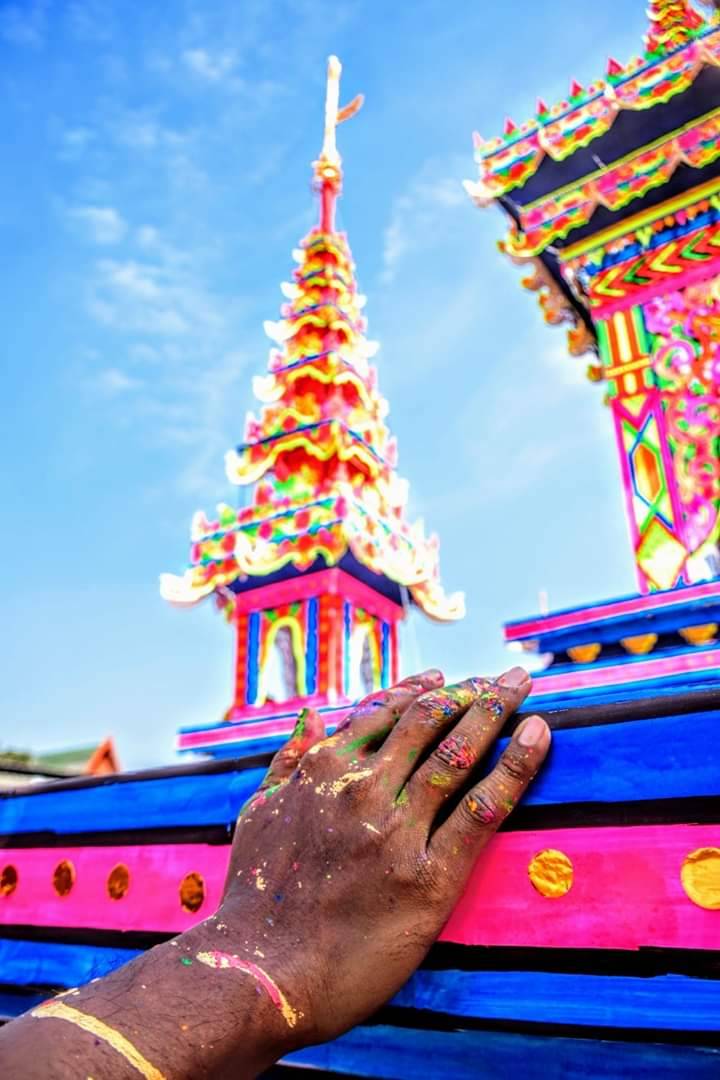
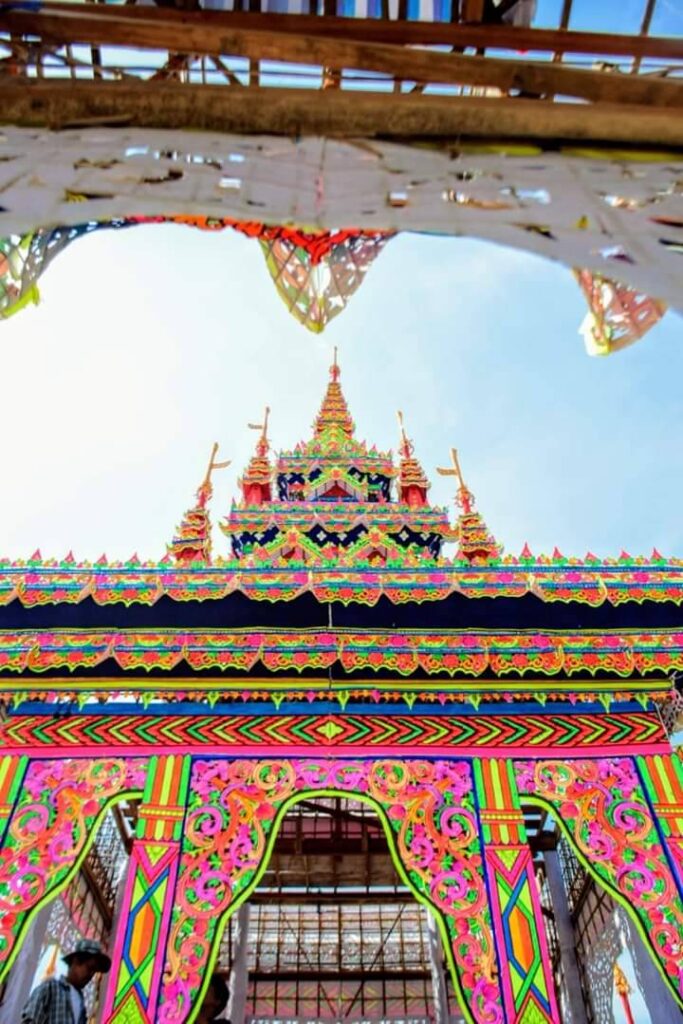
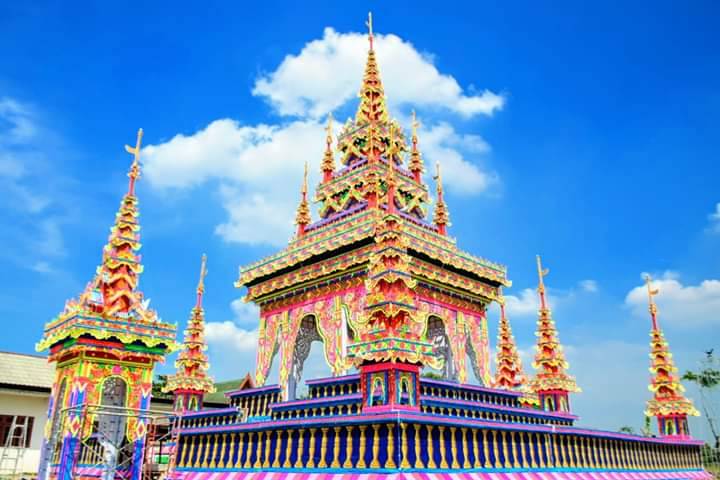
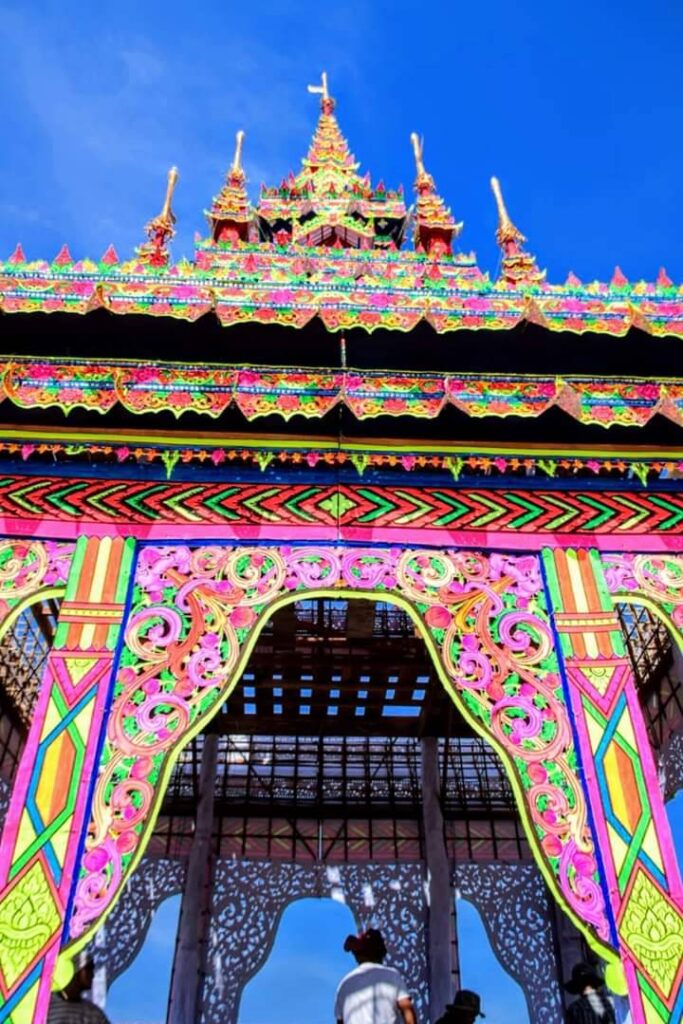
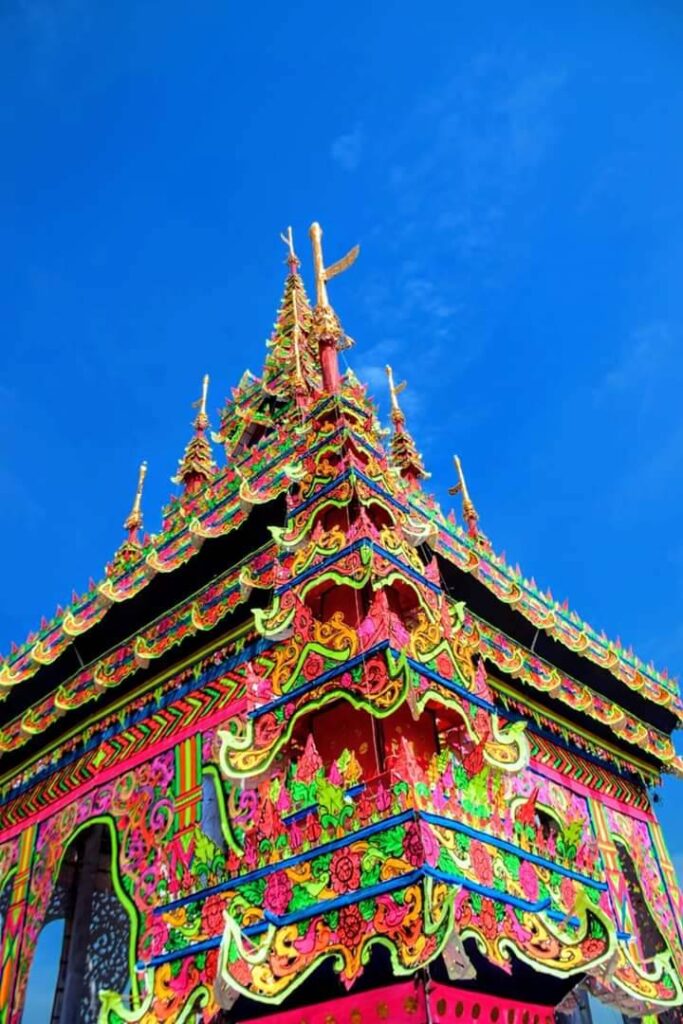
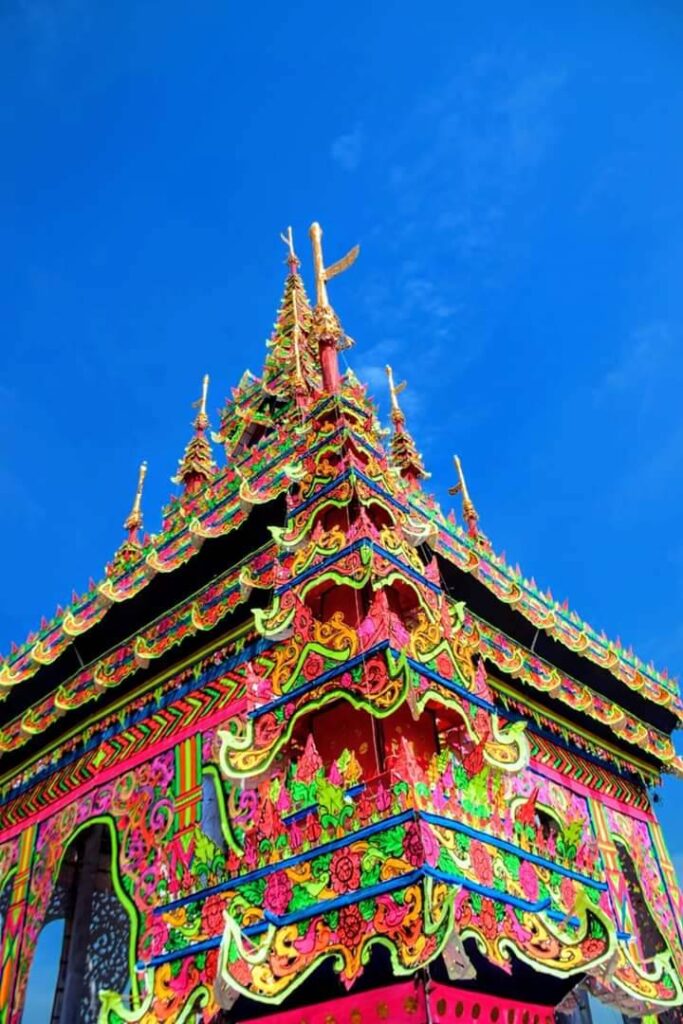
โครงสร้างอันวิจิตรของ “ปราสาทศพพระมอญ” หรือที่เรียกกันว่าเมรุลอยชั่วคราว มีลักษณะเป็นอาคารเรือนยอดหรือกุฎาคาร หลังคาซ้อนชั้นตามชั้นภูมิธรรม ตกแต่งด้วยบันแถลงขนาดลดหลั่นกันอย่างมีสัดส่วน ยอดปราสาทอาจประดิษฐ์ขึ้นเป็น 5 ยอด 7 ยอด หรือสูงสุดถึง 9 ยอด ตามฐานันดรศักดิ์และสมณศักดิ์พัดยศของพระเถระรูปนั้น ๆ ปลายปลียอดประดับด้วยลูกแก้วและฉัตรอย่างสงบนิ่ง โครงสร้างทั้งหมดทำด้วยไม้แกนแข็งที่คำนวณมาอย่างดีเพื่อให้รองรับศรัทธาของสาธารณชนที่ขึ้นไปเวียนทักษิณาวัตร เพดานตลอดจนผนังด้านนอกและหน้าบันประดับประดาด้วยกระดาษอังกฤษตอกลายสอดสลับสีอย่างประณีตระยิบระยับ แม้ช่างสิบหมู่จะต้องใช้เวลาสรรค์สร้างยาวนานหลายเดือน ทว่าเมื่อถึงเวลาถวายพระเพลิง สรีระ โดมโลง และปราสาทหลังงามนี้จะถูกเผาสลายไปพร้อมกันในกองเพลิง เพื่ออุทิศถวายแด่ผู้ล่วงลับและแปรเปลี่ยนความงามทางโลกให้กลายเป็นสัจธรรมแห่งอนัตตา
รากเหง้าความเชื่อนี้ ปรากฏหลักฐานนับแต่หลังพุทธศักราช 2310 ซึ่งเป็นปีแรกที่กรุงหงสาวดีแตก อาจารย์ “ฟะ” นักปราชญ์มอญผู้แตกฉานในคัมภีร์ ได้รวบรวมและแต่งเรื่องราวข้อวัตรปฏิบัติในพิธีกรรมต่าง ๆ ไว้เป็นบรรทัดฐาน โดยระบุถึงผลานิสงส์แห่งเมตตาจิตและการบูชาสรีระไว้หลายประการ อาทิ บุคคลใดทำโลงศพให้วิจิตรงดงามจะได้อานิสงส์ 1,000 ชาติ บุคคลใดนิมนต์พระสงฆ์มาพิจารณาซากศพอันเป็นการเจริญอสุภกรรมฐานจะได้รับอานิสงส์ 2,000 ชาติ และการถวายพระเพลิงศพพระผู้ปฏิบัติดีปฏิบัติชอบเสมือนหนึ่งการบูชาพระสรีระของพระพุทธเจ้า ย่อมได้รับอานิสงส์อันหาขอบเขตมิได้
นอกจากนี้ โบราณาจารย์ยังพรรณนาถึงอานิสงส์แห่งความกตัญญูกตเวทิตาและการสงเคราะห์ศพไว้ว่า การส่งสรีระร่างกายของพระภิกษุสงฆ์ผู้ทรงศีล จะอำนวยผลให้ได้รับทิพยสมบัติ ยศศักดิ์ และบริวารแวดล้อมถึง 20,000 กัลป์ จิตตานุภาพแห่งมหากุศลนี้จะส่งผลให้ผู้ร่วมพิธีสมบูรณ์ด้วยมนุษย์สมบัติ สวรรค์สมบัติ และเป็นพลวปัจจัยหนุนนำไปสู่ชั้นพรหมโลก ปิดกั้นหนทางสู่อบายภูมิทั้ง 4 คือ นรก เปรต อสุรกาย และสัตว์เดรัจฉานอย่างเด็ดขาด แม้ในอีกมิติหนึ่ง โบราณาจารย์จะมองว่าตัวเลขกัลป์และอานิสงส์เหล่านี้เป็นกุศโลบายอันแยบคายที่พระเถระรุ่นก่อนสร้างขึ้นเพื่อโน้มน้าวให้มนุษย์ตั้งมั่นในการทำความดีและเกื้อกูลเพื่อนมนุษย์ก็ตาม
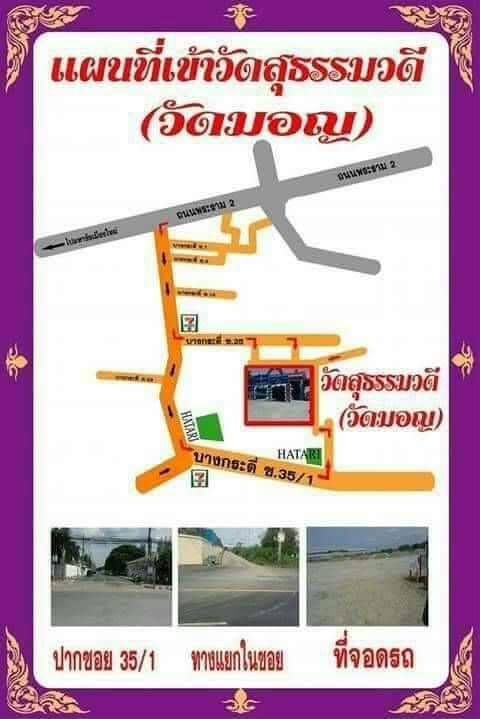
สำหรับพุทธบริษัทและญาติโยมท่านใดที่ปรารถนาจะน้อมใจร่วมสืบสานและทัศนาพิธีกรรมอันหาดูได้ยากยิ่งนี้ ในช่วงวันหยุดเทศกาลปีใหม่ที่กำลังจะมาถึง สามารถเดินทางไปร่วมงานบุญประเพณีเผาศพพระผู้ใหญ่ของชาวรามัญได้ ณ วัดสุธรรมวดี (วัดมอญ) แขวงแสมดำ เขตบางขุนเทียน กรุงเทพมหานคร ซึ่งคาดการณ์ว่าจะมีกลุ่มชาติพันธุ์รามัญ ทั้งชาวมอญเชื้อสายไทยและพระภิกษุสามเณรตลอดจนอุบาสกอุบาสิกาจากเมืองมอญ เดินทางมาร่วมบำเพ็ญกุศลอุทิศถวายและเจริญกรรมฐานร่วมกันไม่ต่ำกว่า 10,000 รูป/คน
สำนักข่าววงการสงฆ์ไทย ขออนุโมทนาในความวิริยอุตสาหะของคณะศิษยานุสิตผู้จัดงานทุกฝ่าย และขอตั้งจิตอธิษฐานให้เปลวไฟแห่งกุฎาคารนี้ เป็นประทีปส่องใจให้พุทธบริษัทสี่ตื่นรู้จากความหลงในรูปนาม พร้อมทั้งร่วมกันจรรโลงข้อวัตรปฏิบัติอันงดงามนี้ให้สถิตเสถียรคู่สังฆมณฑลสืบไปชั่วกาลนาน.
The Magnificent Spires of Faith: Deciphering the Ancient Tradition of the “Mon Monastic Funeral Castle” and the Rare Great Timely Alms in the Monastic Circle
Reported by the Thai Monastic Affairs News Agency
Within the tradition of the Thai-Mon Buddhist realm and monastic community, the ritual concerning the return of the physical remains of highly venerable monks who conducted themselves with immaculate righteousness back to nature is deemed an ecclesiastical ceremony enfolding a profound Dhamma lesson and the intuitive wisdom of ancient masters. This hundred-year-old manifestation of faith, known as “The Custom of Disintegrating the Physical Elements through the Mon Funeral Castle,” is not only exquisitely magnificent in terms of artistic craftsmanship but also serves as a mindful awakening for the fourfold Buddhist assembly to realize the impermanence of mind and matter, while concurrently performing the supreme perfection of almsgiving.
The Mon Monastic devotees harbor a steadfastly anchored belief that has integrated into their cultural system: organizing a royal-style cremation ceremony for a deceased high-ranking prelate or master of exceptional virtue yields an immense spiritual fruit equivalent to a “Maha-kaladana” (The Great Timely Alms)—a meritorious giving specified by rare timing and rare recipients. This virtue is so supreme that ancient Mon people preferred attending the cremation ceremonies of monks far more than attending traditional Kathina robe-offering ceremonies.
The sublime structure of the “Mon Funeral Castle,” clinically referred to as a temporary floating crematorium, is fashioned as a multi-tiered spired pavilion (Kudakhara), with roofs superimposed in accordance with the spiritual attainments of the deceased. It is ornamented with pediments (Bantalaeng) that diminish systematically in perfect proportion. The pinnacle of the castle may be crafted with 5 spires, 7 spires, or up to a maximum of 9 spires, in perfect alignment with the secular rank, ecclesiastical title, and monastic fan (Phat Yot) of that specific prelate. The very tips of the spires are serenely adorned with glass orbs and sacred multi-tiered umbrellas (Chat). The entire structure is erected using heavy hardwood, meticulously engineered to safely support the massive gathering of the public ascending to perform the clockwise circumambulation (Dakkhinavatta). The ceilings, exterior walls, and gables are delicately embellished with intricately perforated and multi-colored English paper, glistening with refinement. Although the master artisans must devote several months to construct this grand pavilion, once the moment for the cremation arrives, the physical remains, the masterfully crafted coffin, and this magnificent castle will be simultaneously dissolved into the flames, thereby dedicating the merits to the deceased and transforming worldly elegance into the ultimate truth of non-self (Anatta).
The historical roots of this belief have been documented since the aftermath of the Buddhist Era 2310 (1767), the foundational year marking the fall of the Kingdom of Hanthawaddy. Master “Fa,” a Mon sage deeply well-versed in the sacred scriptures, compiled and formulated the codes of monastic conduct for various rituals to serve as a standardized baseline. He specifically expounded upon the fruits of a compassionate mind and the worship of physical remains in several aspects: any individual who crafts an exquisitely beautiful coffin shall receive spiritual rewards lasting for 1,000 lifetimes; any individual who invites monks to contemplate a corpse—which constitutes the practice of foulness meditation (Asubha-kammatthana)—shall receive rewards lasting for 2,000 lifetimes; and performing a royal-style cremation for a monk who practiced the Dhamma righteously is akin to worshiping the physical relics of the Lord Buddha, which naturally yields boundless and infinite fruits.
Furthermore, ancient masters described the fruits of gratitude, reciprocity, and the aiding of funerals: sending off the physical remains of a virtuous Buddhist monk shall cause one to be endowed with celestial treasures, high status, and a retinue encompassing 20,000 aeons (Kappas). The spiritual power of this great merit will ensure that the participants are fully complete with human prosperity and celestial prosperity, serving as a powerful driving force (Phalava-paccaya) to propel them into the Brahma realms, while definitively blocking the paths to the four woeful planes (Apaya-bhumi)—namely hell, hungry ghosts, demons, and animals. Even though, from an analytical standpoint, ancient masters viewed these specific numbers of aeons and spiritual rewards as an ingenious strategy devised by earlier prelates to persuade humanity to remain steadfast in performing good deeds and aiding fellow human beings, the tradition remains profoundly sacred.
For any members of the Buddhist assembly and laity who desire to mindfully participate in and witness this exceptionally rare ritual during the upcoming New Year holiday season, you may travel to attend this traditional Mon funeral ceremony for senior prelates at Wat Suthamvadi (The Mon Temple), Samae Dam Sub-district, Bang Khun Thian District, Bangkok. It is anticipated that a massive gathering of the Mon ethnic group, including Mon-descended Thais, as well as monks, novices, and lay devotees directly from the Mon State, numbering no fewer than 10,000 individuals, will travel to collectively perform this merit-making dedication and engage in meditation.
The Thai Monastic Affairs News Agency highly commends and rejoices in the diligent perseverance of the organizing disciples from all sectors, and mindfully prays that the flames arising from this spired pavilion serve as a guiding torch to awaken the fourfold Buddhist assembly from the delusion of mind and matter, while collectively upholding and ensuring that this exquisite tradition remains eternally stable alongside the monastic community forevermore.