
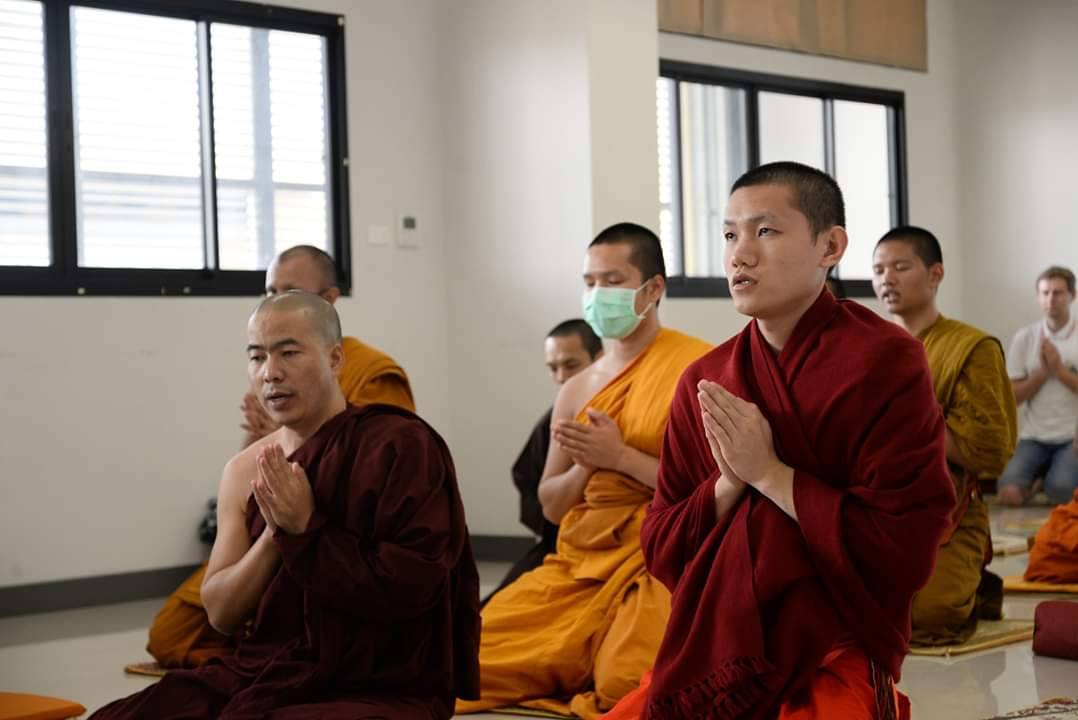
ในวิถีแห่งความเป็นพุทธศาสนิกชน ขนบธรรมเนียมหนึ่งที่ฝังรากลึกและปฏิบัติสืบต่อกันมานับตั้งแต่ครั้งพุทธกาลคือ “การเจริญพระพุทธมนต์” ไม่ว่าจะเป็นงานมงคลสมโภชหรือยามค่ำคืนตามอารามต่าง ๆ เสียงสวดมนต์ที่ประสานสอดรับกันอย่างสำรวมระวังย่อมนำมาซึ่งความร่มเย็นแก่อารามและชุมชนรอบข้าง ทว่าในโลกยุคปัจจุบันที่เต็มไปด้วยภยันตรายและโรคอุบัติใหม่ หลายคนอาจเกิดความฉงนฉงายและตั้งคำถามขึ้นในใจว่า แท้จริงแล้วเราสวดมนต์ไปเพื่อเหตุใด และกระแสเสียงแห่งอักขระธรรมเหล่านั้นสามารถเยียวยาจิตใจมนุษย์ได้อย่างไรในยามที่โลกกำลังระส่ำระสาย
เพื่อไขข้อข้องใจในหลักธรรมวิธานนี้ พระมหาหรรษา ธมฺมหาโส รองศาสตราจารย์ ดร. ได้เมตตาประทานทัศนะเชิงวิชาการพระพุทธศาสนาไว้อย่างลึกซึ้ง โดยระบุว่า คำว่า “พุทธมนต์” นั้นแฝงไว้ด้วยความหมายอันทรงคุณค่าเมื่อแยกอรรถรสออกเป็นสองส่วน คือคำว่า “พุทธะ” ซึ่งในทางนามธรรมหมายถึงองค์สมเด็จพระสัมมาสัมพุทธเจ้า และในทางสภาวธรรมหมายถึง “ความรู้ ตื่น และเบิกบาน” ส่วนคำว่า “มันตะ” หรือ มนต์ มีความหมายโดยตรงคือ “การคุ้มครอง ป้องกัน และรักษา”
เมื่อน้อมนำคำทั้งสองมาสมาสรวมกัน “พระพุทธมนต์” จึงมีความหมายอันประเสริฐสองนัย นัยหนึ่งคือพระธรรมคำสอนอันเป็นมนต์ศักดิ์สิทธิ์ที่พระพุทธองค์ทรงประทานไว้ให้สวด และอีกนัยหนึ่งคือบทบริกรรมที่นำไปสู่สภาวะแห่งปัญญา คือความรู้ตื่นและเบิกบาน ยามใดที่พุทธบริษัททั้งฝ่ายบรรพชิตและคฤหัสถ์ได้ร่วมกันเจริญพระพุทธมนต์ กระแสเสียงนั้นจะทำหน้าที่เป็นเกราะกำบัง คุ้มครอง ป้องกัน และรักษากายใจของผู้สวดและผู้ฟังให้ตั้งมั่นอยู่ในความสงบเย็น
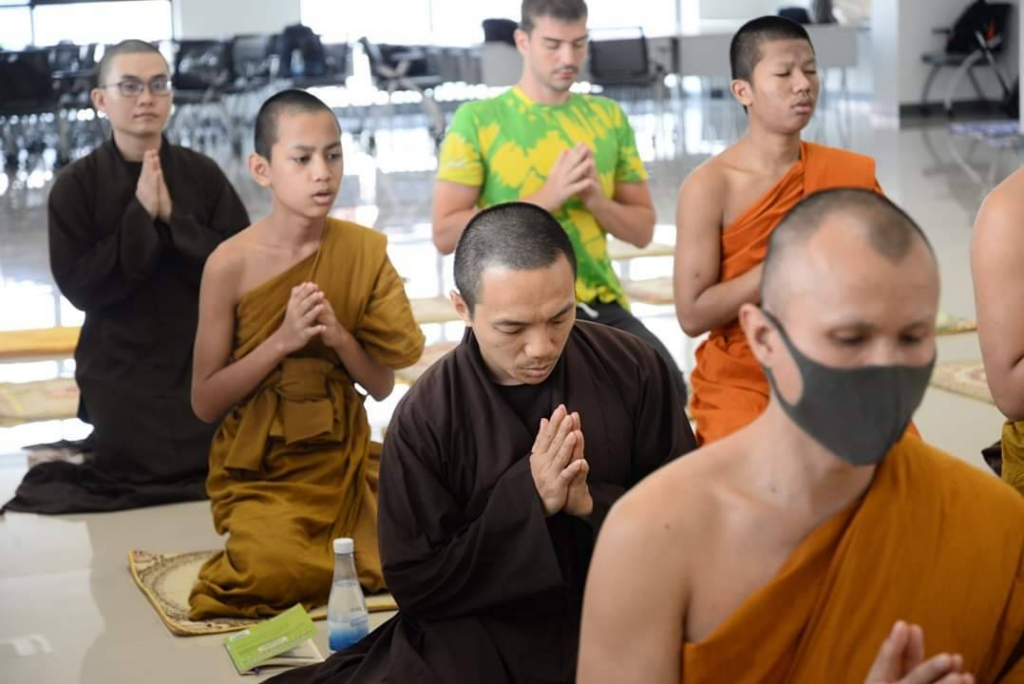
หากย้อนมองลึกลงไปในคัมภีร์ทางพระพุทธศาสนา จะพบเหตุปัจจัยที่พระพุทธองค์ทรงอนุญาตให้ภิกษุสงฆ์เรียนมนต์และเจริญพระพุทธมนต์ร่วมกันอย่างเป็นระเบียบเรียบร้อย ดังเช่นคราวที่ภิกษุกลุ่มหนึ่งพำนักปักกลดเจริญสมณธรรมในป่าลึก แต่กลับถูกรบกวนด้วยอามนุษย์และเทวดาเจ้าที่จนไม่สามารถบำเพ็ญเพียรได้ พระพุทธองค์จึงโปรดให้ภิกษุเหล่านั้นเจริญบท “กรณียเมตตสูตร” เพื่อแผ่เมตตาจิตสิบทิศ จนในที่สุดภิกษุรูปนั้น ๆ ก็สามารถปฏิบัติธรรมบรรลุมรรคผลสืบไป
อีกหนึ่งเหตุการณ์ประวัติศาสตร์ในสังฆมณฑล คือคราวที่ชาวเมืองไพศาลีต้องเผชิญกับทุพภิกขภัย วาตภัย และโรคร้ายแรงพยาธิเบียดเบียน พระพุทธองค์จึงทรงมอบหมายให้พระอานนท์พุทธอนุชา เรียนบทพุทธมนต์ “รัตนสูตร” แล้วจาริกไปเจริญพระพุทธมนต์พร้อมทั้งประพรมน้ำพระพุทธมนต์ไปตามตรอกซอกซอยและเสนาสนะบ้านเรือนทั่วทั้งพระนคร ส่งผลให้ภัยพิบัติและโรคระบาดเหล่านั้นอันตรธานหายไปเป็นอัศจรรย์
ด้วยเหตุนี้ โบราณาจารย์ผู้ชาญฉลาดจึงมักกล่าวตักเตือนพุทธบริษัทไว้ว่า “สวดมนต์เป็นยาทา ภาวนาเป็นยากิน” ยามที่มนุษย์ต้องเผชิญหน้ากับปัญหาสังคม หรือวิกฤตการณ์เช่นโรคระบาดโควิด-19 ที่ผ่านมา แม้คนจำนวนหนึ่งจะอาพาธด้วยโรคทางกาย แต่คนอีกหลายล้านคนกลับ “ติดอารมณ์จมดิ่ง” ด้วยโรคทางใจ เกิดความหวาดระแวง วิตกกังวล และตื่นตระหนกจนภูมิคุ้มกันทางจิตบกพร่อง การเจริญพระพุทธมนต์จึงทำหน้าที่เป็นยาทาภายนอกชั้นเลิศ ที่ช่วยบำบัดจิตที่ตื่นตระหนกให้กลับมาตื่นรู้ ช่วยเปลี่ยนความหวาดระแวงให้เป็นความระมัดระวังระไว และแปรเปลี่ยนความเคร่งเครียดให้เป็นความสงบระงับ
กลไกอันเป็นอัศจรรย์ของพระพุทธมนต์เกิดขึ้นได้ด้วยอำนาจแห่ง สติและสมาธิ ที่ทำงานร่วมกันอย่างไม่ขาดสาย ในขณะที่พุทธบริษัทตั้งจิตสวดมนต์หรือส่งกระแสจิตสดับฟังด้วยความเคารพ จิตใจย่อมจดจ่ออยู่กับท่วงทำนองและอักขระธรรม ไม่วอกแวกแส่ส่ายไปสู่อกุศลารมณ์ภายนอก จิตที่ตั้งมั่นเป็นสมาธิอันแรงกล้านี้เองย่อมเกิดพลังอำนาจทิพย์ที่เข้ามาคุ้มครองป้องกันจิต เมื่อจิตใจได้รับการรักษาจนเข้มแข็ง มีพุทธานุสสติ ธัมมานุสสติ และสังฆานุสสติเป็นสรณะที่พึ่งอันประเสริฐแล้ว ย่อมส่งกระแสพลังงานอันบริสุทธิ์นั้นมาหล่อเลี้ยงสรีระร่างกายให้แข็งแรงและผ่อนคลายตามไปด้วย
สำนักข่าววงการสงฆ์ไทยน้อมโมทนาในความตั้งใจจริงของพุทธบริษัททุกท่านที่ยังคงยึดมั่นในข้อวัตรปฏิบัติแห่งการเจริญพระพุทธมนต์ และขอตั้งจิตอธิษฐานส่งเสริมศาสนกิจนี้ ให้เสียงแห่งพระธรรมนำพาความตื่นรู้และเบิกบานมาสู่ดวงใจของมวลมนุษยชาติ ช่วยขจัดปัดเป่าโรคร้ายและอุปสรรคทั้งปวงให้วินาศสันติ์ พลิกฟื้นความสงบสุขร่มเย็นให้สถิตเสถียรคู่สังฆมณฑลและผืนแผ่นดินไทยสืบไปชั่วกาลนานอวสาน.
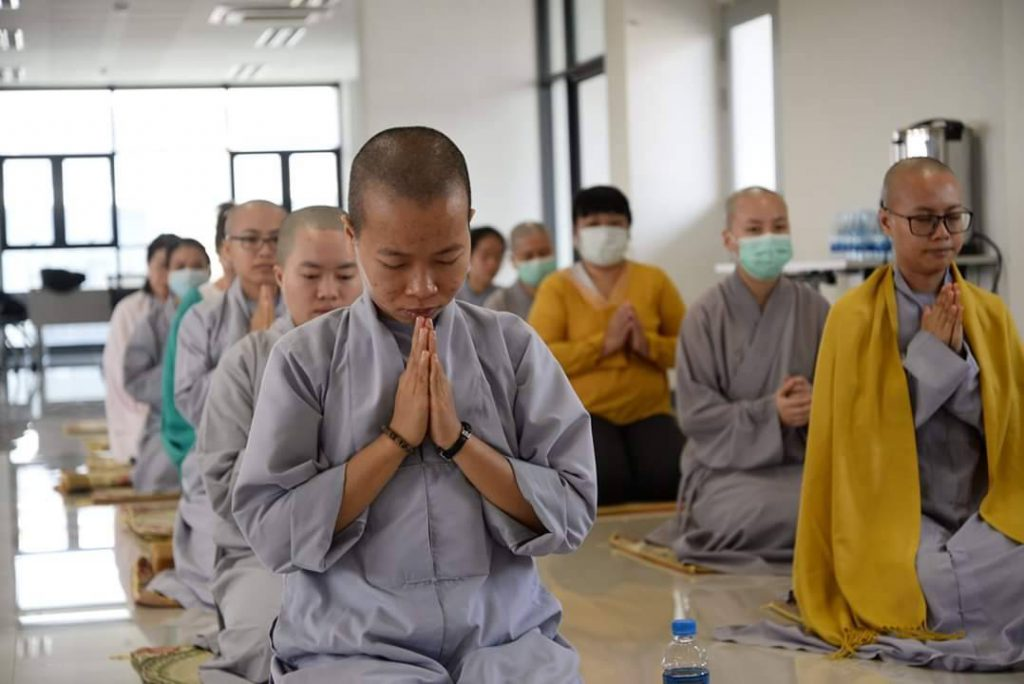
Deciphering the Dhamma Principles: Why Must the Fourfold Buddhist Assembly Chant? Unveiling “Buddhist Mantras” as Divine Medicine to Soothe the Mind Amidst Global Crises
Within the way of life of Buddhist devotees, one tradition that has been deeply rooted and continuously practiced since the time of the Buddha is the “chanting of Buddhist mantras.” Whether during auspicious celebratory ceremonies or during the nights across various monasteries, the voices of chanting harmoniously joined in serene mindfulness naturally bring coolness and peace to the temples and surrounding communities. However, in the contemporary world filled with perils and emerging diseases, many individuals may experience doubt and raise questions within their hearts as to why exactly we chant, and how the acoustic currents of those Dhamma characters can tangibly heal the human mind during times when the world is in a state of turbulence.
To clarify this specific doubt regarding the Dhamma principles, Associate Professor Dr. Phra Maha Hansa Dhammahaso has graciously provided a profound academic perspective on Buddhism, stating that the term “Buddha-Mantra” enfolds a highly valuable meaning when its savor is analyzed in two distinct parts: the word “Buddha,” which in an abstract sense refers to the Lord Buddha, and in a phenomenological sense means “knowing, awakened, and joyful,” while the word “Manta” or Mantra directly means “protection, prevention, and healing.”
When harmoniously combining these two words, “Buddha-Mantra” thus possesses two sublime definitions. One meaning refers to the sacred teachings and mantras that the Buddha graciously bestowed upon us to chant, and the other refers to the protective recitations that lead to a state of wisdom—namely, being awakened, aware, and joyful. Whenever the Buddhist assembly, both ordained monastics and laypersons, collectively chant these Buddhist mantras, that acoustic current functions as a shield to protect, prevent, and heal the minds and bodies of the chanters and listeners, firmly establishing them in tranquil coolness.
If one reflects deeply back into the Buddhist scriptures, the causes and conditions for which the Buddha permitted the monastic community to study mantras and collectively chant them in an orderly and serene manner will be uncovered. This is demonstrated during a time when a group of monks was residing and pitching umbrellas to practice the sublime Dhamma in a deep forest, but was severely disturbed by non-human entities and local deities until they were unable to pursue their spiritual diligence. The Buddha thus instructed those monks to chant the “Karaniya Metta Sutta” to radiate loving-kindness (Metta) across the ten directions, until eventually, those specific monks were able to practice the Dhamma and attain the Noble Paths and Fruitions moving forward.
Another historical event in the monastic circle occurred when the citizens of Vesali had to confront famine, fire, wind disasters, and severe epidemic diseases tormenting them. The Buddha thus assigned Venerable Ananda—his cousin and personal attendant—to master the Buddhist mantra known as the “Ratana Sutta,” and to travel reciting the mantra while concurrently sprinkling sacred lustral water across the streets, alleys, and monastic residences throughout the capital city. Consequently, those disasters and epidemic diseases miraculously vanished.
For this reason, wise ancient masters often reminded and cautioned the Buddhist assembly that “Chanting is like a topical ointment; meditation is like an internal medicine.” At times when humanity must confront social problems or crises such as the recent COVID-19 pandemic, although a certain number of individuals fall ill with physical ailments, millions of others become “submerged in heavy negative emotions” through mental sickness, experiencing paranoia, anxiety, and panic until their psychological immunity becomes deficient. The chanting of Buddhist mantras thus functions as an excellent external topical ointment that helps rehabilitate a panicked mind back to a state of awareness, changes paranoia into watchful care, and transforms intense stress into peaceful tranquility.
The miraculous mechanism of the Buddha-Mantra manifests through the power of mindfulness (Sati) and concentration (Samadhi) working together continuously without interruption. While the Buddhist assembly resolutely chants or mindfully listens to the acoustic currents with deep respect, the mind naturally focuses upon the rhythms and Dhamma characters, refraining from drifting or wandering outward toward unwholesome external stimuli. This mind, firmly established in powerful concentration, naturally gives rise to a divine spiritual force that enters to protect, prevent, and heal the mind. When the mind has been cured until it becomes resilient, possessing recollection of the Buddha, the Dhamma, and the Sangha as a supreme refuge, it naturally transmits that pristine energy current to nourish the physical body, rendering it strong and relaxed accordingly.
The Thai Monastic Affairs News Agency highly commends and rejoices in the genuine determination of all Buddhist devotees who remain steadfast in the monastic code of chanting Buddhist mantras, and mindfully prays to support this religious mission, wishing that the voice of the sublime Dhamma guides awareness and joy into the hearts of humanity, helps eradicate and dispel all diseases and obstacles entirely, and restores peaceful, cool stability to eternally remain alongside the monastic community and the Thai land until the absolute end of time.