
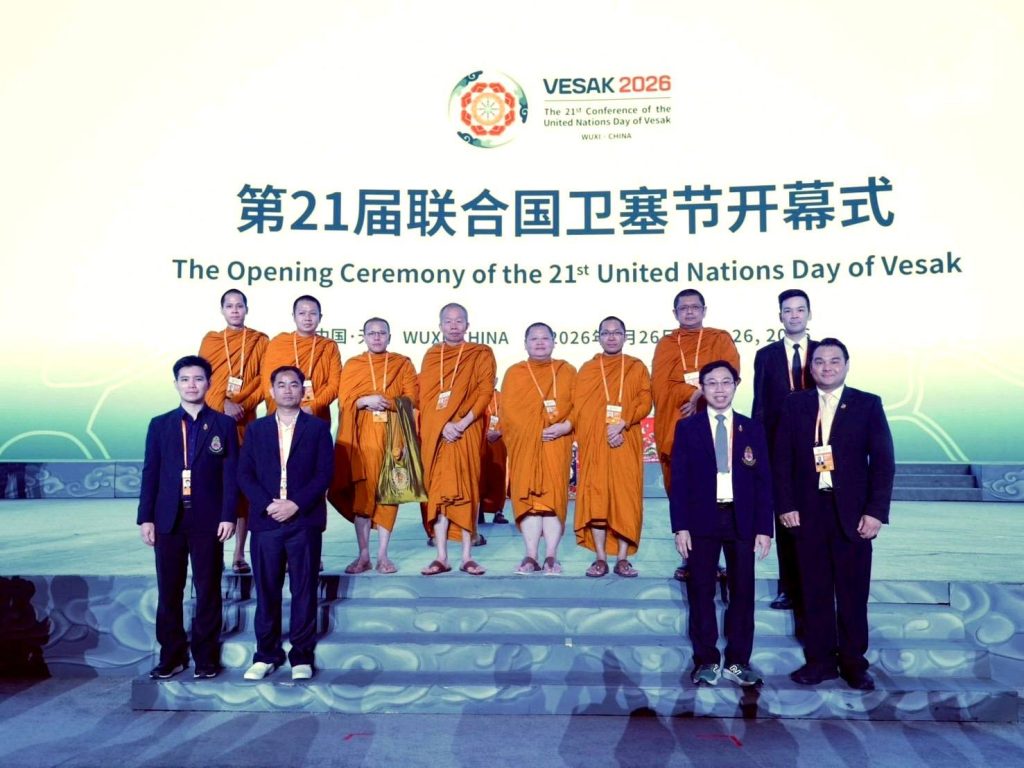
ประจำวันที่ 30 พฤษภาคม พุทธศักราช 2569 ท่ามกลางวิกฤตการณ์รอบด้านที่โลกยุคปัจจุบันกำลังเผชิญ ไม่ว่าจะเป็นความแปรปรวนของสภาพภูมิอากาศ ความเหลื่อมล้ำทางสังคมที่ถ่างกว้าง หรือแม้แต่ความเร่าร้อนเบียดเบียนกันในใจมนุษย์ที่เทคโนโลยีอันล้ำสมัยก็ไม่อาจเยียวยาได้ นิมิตหมายอันดียิ่งในวันวิสากขบูชานานาชาติ วันสำคัญสากลของโลก ครั้งที่ 21 ณ ศูนย์ประชุมสหประชาชาติ ถนนราชดำเนิน กรุงเทพมหานคร ได้กลายเป็นเวทีประวัติศาสตร์ที่ปลุกดวงใจของชาวโลกให้ตื่นรู้ด้วยกระแสแห่ง “พุทธปัญญา”
การเฉลิมฉลองในปีนี้ได้รับพระมหากรุณาธิคุณจากพระบาทสมเด็จพระเจ้าอยู่หัว ทรงพระกรุณาโปรดเกล้าฯ ให้ พลเอก สุรยุทธ์ จุลานนท์ ประธานองคมนตรี เป็นผู้แทนพระองค์ไปเปิดพิธี นำความปลาบปลื้มมาสู่คณะพุทธบริษัทนานาชาติจาก 34 ประเทศ โดยมีครูบาอาจารย์ใหญ่ฝ่ายการปกครองและนักวิชาการ นำโดย พระพรหมบัณฑิต กรรมการมหาเถรสมาคม ในฐานะประธานสภาสากลวันวิสาขบูชาโลก (ICDV) ร่วมถวายการต้อนรับอย่างสมเกียรติ ยิ่งไปกว่านั้น สุนทรพจน์เชิงปาฐกถาพิเศษของ พระพรหมวชิรเมธาภรณ์ อธิการบดีมหาวิทยาลัยมหามกุฏราชวิทยาลัย (มมร) ได้แผ่ขยายมิติความคิดที่เฉียบคมและนุ่มลึก ชี้ให้เห็นว่า “พระธรรมวินัย” ไม่ใช่เรื่องล้าสมัยที่อยู่เฉพาะในคัมภีร์หรือในเสนาสนะอันสงบสงัด แต่อยู่ในทุกลมหายใจของการพัฒนาที่ยั่งยืนในระดับสากล
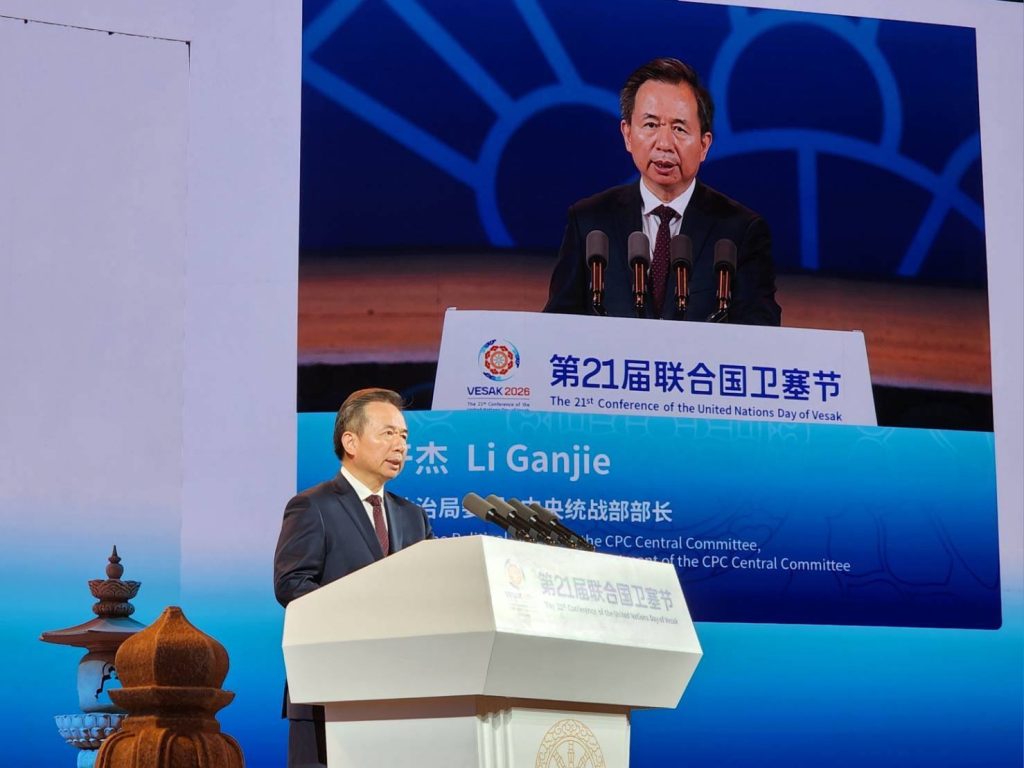
อธิการบดีแห่ง “มมร” ได้ถอดรหัสแก่นแท้ของพุทธปัญญาไว้อย่างน่าคิดว่า การพัฒนาที่ยั่งยืน (Sustainable Development) ที่โลกกำลังระดมสมองกันอยู่นั้น แท้จริงแล้วจะเกิดขึ้นไม่ได้เลยหากขาดโครงสร้างทางจิตใจที่เป็นคุณธรรม พระองค์ทรงเน้นย้ำถึง “มัชฌิมาปฏิปทา” หรือทางสายกลาง ซึ่งเป็นการดำเนินกิจกรรมทางเศรษฐกิจและสังคมด้วยความพอดี ไม่เบียดเบียนธรรมชาติ และไม่ทอดทิ้งผู้เปราะบาง ปัญญาที่เห็นตามความเป็นจริงว่าสรรพสิ่งล้วนเชื่อมโยงเป็นเหตุเป็นผลแก่กันตามหลักอิทัปปัจจยตา จะทำให้มนุษย์ใช้อำนาจและเทคโนโลยีด้วยความรับผิดชอบและมีเมตตาหล่อเลี้ยง
ในฐานะคนข่าวที่เฝ้ามองกลไกการขับเคลื่อนศาสนกิจของสถาบันการศึกษาคณะสงฆ์มาโดยตลอด ผมมองว่านี่คือบทบาทเชิงรุกที่งดงามของสังฆมณฑลไทย มหาวิทยาลัยสงฆ์อย่าง “มมร” ไม่เพียงแต่ทำหน้าที่ให้การศึกษาพระปริยัติธรรมแก่พระภิกษุสามเณรเพื่อการครองตนที่เรียบร้อยเท่านั้น แต่กำลังทำหน้าที่ขยายหยาดน้ำใจและสติปัญญาออกไปเกื้อกูล “บ้าน เมือง และโลก” ซึ่งสะท้อนหลักการของระบบ “บวร” (บ้าน วัด โรงเรียน/ราชการ) ในระดับมหภาคอย่างเด่นชัด เมื่อผู้นำในระดับนโยบาย ชุมชน และประชาชนน้อมนำหลักพุทธธรรมไปปฏิบัติ โลกีย์ที่กำลังร้อนรุ่มย่อมจะสงบเย็นลงได้
บทสรุปและข้อคิดเตือนใจจากปาฐกถาธรรมในวันวิสาขบูชาระดับโลกครั้งนี้ คณะสงฆ์ไทยได้ทิ้งสัจจะวาจาสำคัญให้แก่มนุษยชาติไว้ว่า “อนาคตของโลกไม่ใช่ของคนรุ่นใดรุ่นหนึ่งโดยลำพัง แต่เป็นมรดกร่วมกันของทุกคน” ความอุดมสมบูรณ์ทางวัตถุที่ปราศจากศีลธรรมย่อมนำมาซึ่งการแย่งชิง แตกแยก และเบียดเบียน
สำนักข่าววงการสงฆ์ไทยขอเชิญชวนพุทธบริษัทและชาวโลกทุกท่าน เริ่มต้น “เปลี่ยน” จากภายในใจตนเอง เปลี่ยนจากความเห็นแก่ตัวเป็นความเอื้อเฟื้อ เปลี่ยนจากการแก่งแย่งเป็นการร่วมมือสมานฉันท์ ดังพระพุทธภาษิตที่อธิการบดี มมร ได้ยกขึ้นอ้างอิงเป็นชัยมงคลว่า “สุขา สงฺฆสฺส สามคฺคี” ความพร้อมเพรียงของหมู่คณะนำมาซึ่งความสุข ไม่ว่าจะเป็นหมู่สงฆ์หรือหมู่มวลมนุษยชาติ หากมีความสามัคคีและก้าวเดินด้วยทางสายกลางแล้วไซร้ สันติภาพและการพัฒนาที่ยั่งยืนอันแท้จริง ย่อมสถาพรอยู่คู่โลกใบนี้สืบไปชั่วกาลนาน.
The Wisdom of the Middle Way: The Lecture of the Rector of MBU in the Assembly of the United Nations and the Path for Global Sustainability
Editorial by: The Editor-in-Chief of the Thai Monastic Affairs News Agency
Dated: May 30, Buddhist Era 2569 (2026)
Amidst the multi-dimensional crises confronting the contemporary world—be it the volatility of climate change, the widening chasm of social inequality, or the defiling fires of mutual exploitation within human hearts that even the most advanced technologies fail to remedy—a highly auspicious omen emerged during the 21st United Nations Day of Vesak Celebration. Held at the United Nations Conference Centre on Ratchadamnoen Avenue, Bangkok, this international day of the world became a historic platform that awakened the hearts of humanity through the radiant stream of “Buddhist Wisdom.”
This year’s celebration was graced by the boundless royal benevolence of His Majesty the King, who graciously commanded General Surayud Chulanont, President of the Privy Council, to act as the Royal Representative to preside over the opening ceremony. This brought immense joy to the international Buddhist community representing 34 nations, who were received with the highest honor by high-ranking administrative prelates and scholars, led by Phra Prombundit, Member of the Sangha Supreme Council and President of the International Council for Day of Vesak (ICDV). Furthermore, the keynote speech delivered by Phra Promwachiramethaphorn, Rector of Mahamakut Buddhist University (MBU), offered a sharp and profound dimension of thought. It clearly illustrated that the “Dhamma-Vinaya” (the Dhamma and Monastic Discipline) is not an obsolete concept confined solely to ancient scriptures or tranquil monastic residences (Senasana), but is instead inherently tied to every breath of global sustainable development.
The Rector of MBU masterfully decoded the essence of Buddhist wisdom, noting that sustainable development—which the world is currently brainstorming to achieve—cannot genuinely manifest without a moral framework within the human psyche. He placed great emphasis on “Majjhima Patipada” or the Middle Way, which dictates that economic and social activities must be conducted with moderation, without exploiting nature, and without abandoning the vulnerable. This wisdom, which perceives reality as it truly is through the law of specific conditionality (Idappaccaya-ta), enables humanity to utilize power and technology with responsibility and nurturing compassion.
As a journalist who has continuously observed the mechanisms driving the religious tasks of monastic academic institutions, I view this as a magnificent, proactive role played by the Thai monastic community. A Buddhist university like MBU does not merely provide scriptural education (Pariyatti Dhamma) to monks and novices for their own decorous conduct; it is actively expanding the stream of kindness and wisdom to support the “Home, the Nation, and the World.” This vividly reflects the macro-level application of the “Bawon” (Ban/Ratchakan, Wat, Rongrian—the Home/Government, the Temple, and the School) framework. When leaders at the policy level, communities, and citizens adopt and practice these Buddhist principles, the secular world, which is currently burning with turmoil, will naturally become tranquil and cool.
The ultimate conclusion and mindful lesson from this global Vesak lecture left a crucial truth for humanity: “The future of the world does not belong to any single generation alone, but is a shared heritage of everyone today and of posterity tomorrow.” Material affluence that lacks morality inevitably leads to conflict, division, and exploitation.
The Thai Monastic Affairs News Agency cordially invites all Buddhist devotees and citizens of the world to begin a “transformation” from within their own hearts—transforming selfishness into generosity, transitioning from aggressive competition into harmonious cooperation, just as the sacred Buddhist proverb cited by the Rector of MBU for auspicious victory states: “Sukhā Saṅghassa Sāmaggī”—The unity of the collective brings about happiness. Whether it be the monastic community or the community of all mankind, if solidarity is achieved and we journey along the path of the Middle Way, true peace and sustainable development will surely endure alongside this world for generations to come.