
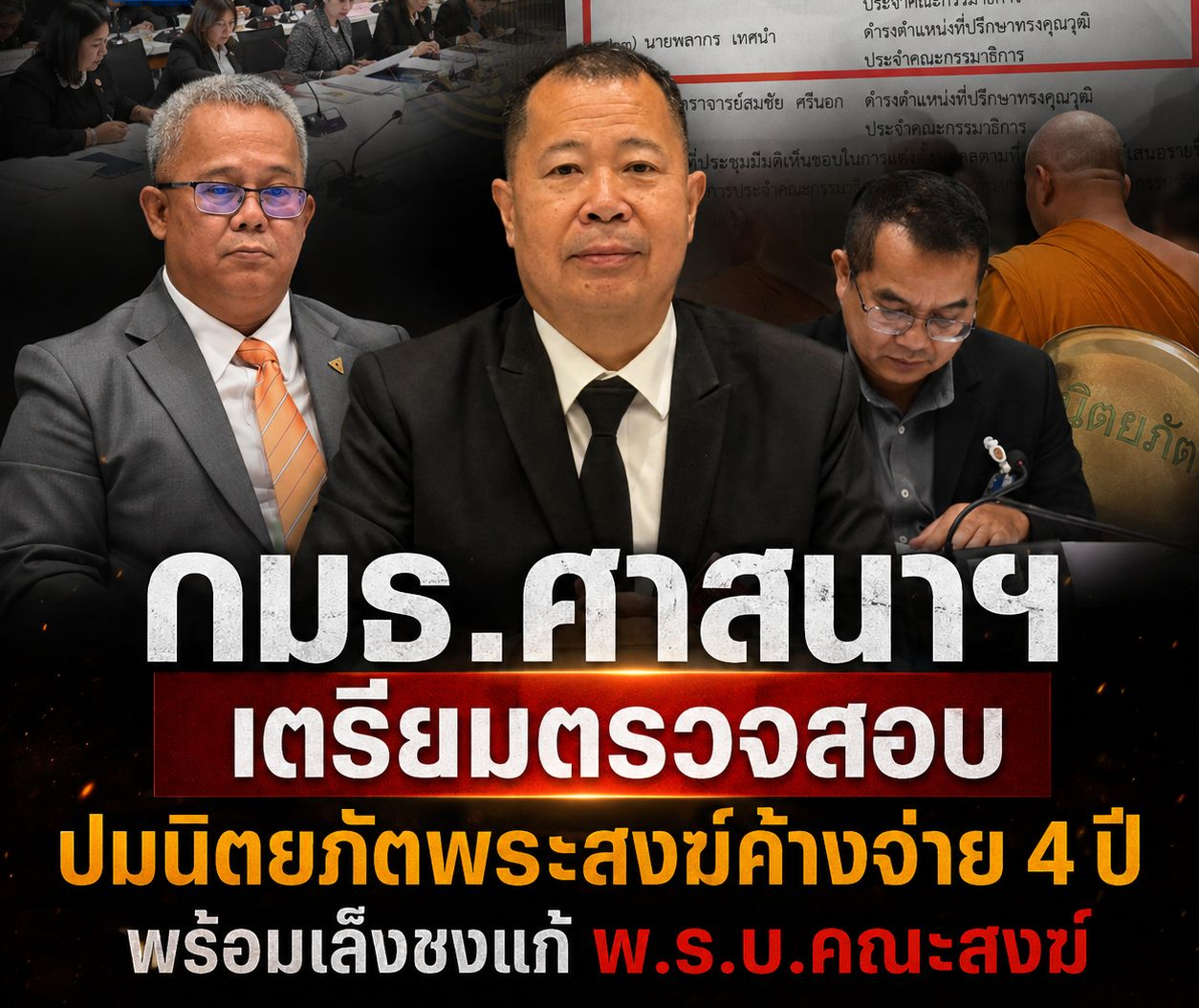
ประจำวันที่ 31 พฤษภาคม พุทธศักราช 2569 ในโครงสร้างการปกครองแผ่นดินไทยที่มีสถาบันพระพุทธศาสนาเป็นหลักชัย สายสัมพันธ์ระหว่าง “บ้าน” และ “วัด” ผ่านกลไกราชการเป็นสิ่งที่ต้องดำเนินไปอย่างเกื้อกูลและเป็นธรรม ทว่า ประเด็นร้อนล่าสุดที่เกิดขึ้นในสังฆมณฑลและกลายเป็นวาระเร่งด่วนบนโต๊ะประชุมของคณะกรรมาธิการการศาสนา ศิลปะและวัฒนธรรม สภาผู้แทนราษฎร กำลังส่งสัญญาณถึงรอยร้าวในระบบสวัสดิการและการจัดวางสถานะทางกฎหมายของพระสังฆาธิการ ซึ่งเป็นเรื่องละเอียดอ่อนและส่งผลกระทบโดยตรงต่อขวัญกำลังใจในการครองตนและปฏิบัติศาสนกิจของพระคุณเจ้าทั่วประเทศ
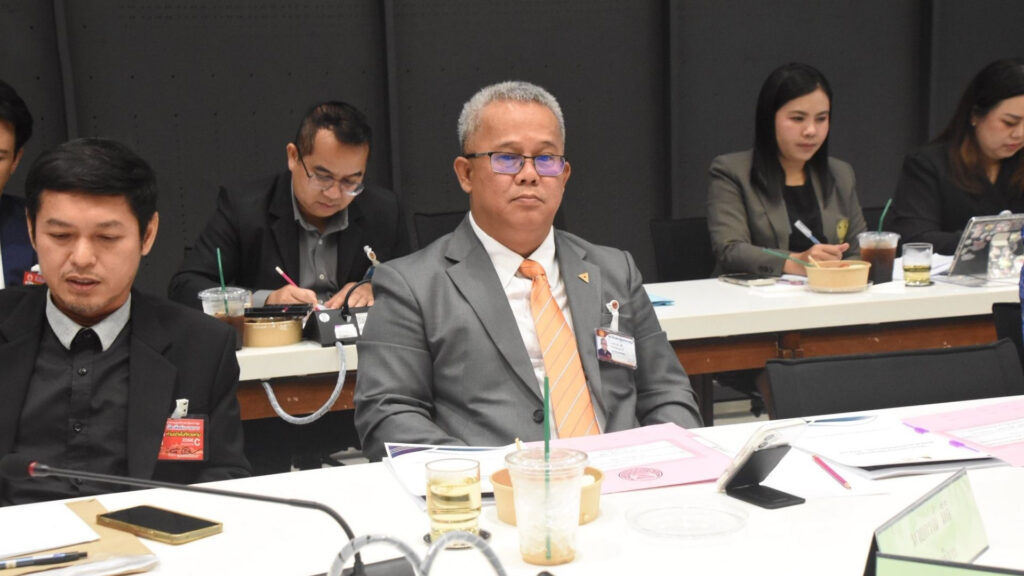
กรณีการตรวจพบปัญหา “เงินนิตยภัต” หรือเงินงบประมาณอุดหนุนที่รัฐถวายแด่พระภิกษุสงฆ์ผู้ดำรงตำแหน่งทางการปกครองเพื่อเป็นค่าภัตตาหารค้างจ่ายยาวนานถึง 4 ปีตามที่ นายกรณ์ มีดี สมาชิกสภาผู้แทนราษฎร ได้ยืนยันนั้น ในมุมมองของคนข่าวที่คร่ำหวอดในวงการสงฆ์ นี่ไม่ใช่เพียงแค่เรื่องระบบบัญชีหรือความล่าช้าทางธุรการ แต่สะท้อนถึงการละเลยอุปฐากสิ่งอันเป็นปัจจัยสี่ที่รัฐพึงสนองต่อคณะสงฆ์อย่างเหมาะสม
ตามหลักพระธรรมวินัย พระสงฆ์ดำรงชีพได้ด้วยการพึ่งพาอาศัยปัจจัยสี่จากอุบาสกอุบาสิกา เงินนิตยภัตที่รัฐจัดสรรถวายจึงเปรียบเสมือนหยาดน้ำใจและเครื่องเกื้อหนุนให้พระสังฆาธิการสามารถบริหารจัดการงานในเสนาสนะและกิจการพระพุทธศาสนาได้อย่างราบรื่น การปล่อยให้งบส่วนนี้ค้างจ่ายยาวนาน ย่อมส่งผลกระทบต่อพระภิกษุสามเณรในระดับรากหญ้าอย่างหลีกเลี่ยงไม่ได้
ยิ่งไปกว่านั้น วาระที่คณะกรรมาธิการฯ เตรียมศึกษาเพื่อแก้ไข พระราชบัญญัติคณะสงฆ์ พ.ศ. 2505 มาตรา 45 โดยอาจจะพิจารณา “ตัดสถานะการเป็นเจ้าพนักงานตามประมวลกฎหมายอาญา” ของพระภิกษุในตำแหน่งปกครองและไวยาวัจกรออกนั้น ถือเป็นดาบสองคมที่ต้องพินิจด้วยความสุขุมและโยนิโสมนสิการอย่างยิ่ง
ในแง่หนึ่ง การที่พระสงฆ์มีสถานะเป็น “เจ้าพนักงานทางโลก” ทำให้ทัศนะของญาติโยมมองพระสงฆ์ลดทอนความเป็นสมณะลง และเมื่อเกิดข้อผิดพลาดในการบริหารงานวัด พระคุณเจ้ากลับต้องเดินขึ้นศาลทหารหรือศาลอาญาทุจริตประวัติศาสตร์ ซึ่งสร้างความบอบช้ำต่อศรัทธาของพุทธบริษัทอย่างมหาศาล แต่ในอีกแง่หนึ่ง หากตัดสถานะนี้ออกไปโดยไม่มีกลไกทางธรรมวินัยหรือกฎหมายสงฆ์ที่เข้มแข็งมารองรับ ก็อาจทำให้การคุ้มครองศาสนสมบัติและการบังคับใช้คำสั่งทางการปกครองของสถาบันสงฆ์ขาดความศักดิ์สิทธิ์ ยอมเปิดช่องให้กลุ่มผลประโยชน์เข้ามาแทรกแซงวัดวาอารามได้ง่ายขึ้น
| มิติการแก้ไข พ.ร.บ. คณะสงฆ์ มาตรา 45 | ผลกระทบต่อสังฆมณฑล |
| คงสถานะ “เจ้าพนักงาน” ไว้ | พระสังฆาธิการเสี่ยงต่อการถูกดำเนินคดีทางอาญาแบบทางโลก แต่มีอำนาจกฎหมายคุ้มครองวัด |
| ตัดสถานะ “เจ้าพนักงาน” ออก | คืนความบริสุทธิ์แห่งเพศสมณะตามธรรมวินัย แต่ต้องเร่งสร้างกลไกไวยาวัจกรคอยอุดรอยรั่ว |
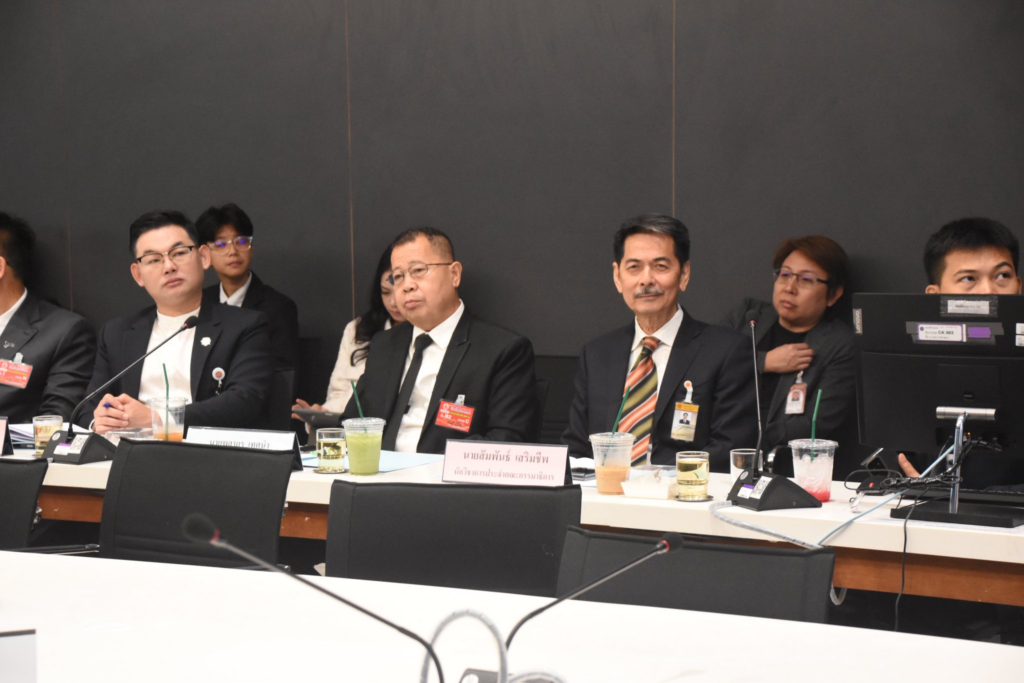
การเข้ามาของบุคลากรใหม่อย่าง นายพิศัณย์ มณีวรรณ เลขานุการฯ และนายพลากร เทศนำ ที่ปรึกษาผู้ทรงคุณวุฒิ ย่อมเป็นที่จับตาของสาธารณชนว่า การปรับเปลี่ยนโครงสร้างกฎหมายครั้งนี้จะเป็นไปเพื่อการ “ทำนุบำรุง” หรือ “จำกัดบทบาท” ของคณะสงฆ์ไทยกันแน่
บทสรุปและแง่คิดเตือนใจ
บทบรรณาธิการชิ้นนี้ขอฝากความห่วงใยและเสียงสะท้อนจากใจคนข่าวสงฆ์ไปยังฝ่ายนิติบัญญัติว่า การแก้ปัญหาให้คณะสงฆ์ต้องตั้งอยู่บนพื้นฐานแห่งความเมตตาและเคารพในวิถีของสมณเพศเป็นที่ตั้ง แนวนโยบายและระบบ “บวร” (บ้าน วัด โรงเรียน/ราชการ) จะขับเคลื่อนอย่างยั่งยืนได้ บ้านเมืองต้องซื่อสัตย์ในการอุปถัมภ์ ส่วนวัดก็ต้องโปร่งใสในการครองตน
ท้ายที่สุดนี้ เงินนิตยภัตที่ค้างจ่ายต้องได้รับการเยียวยาโดยด่วนที่สุด และการปฏิรูปกฎหมายคณะสงฆ์ต้องทำเพื่อคุ้มครองผ้ากาสาวพัสตร์ให้พ้นจากภัยทางโลก ไม่ใช่เพิ่มความเปราะบางให้กับสถาบันศาสนา ดั่งพุทธภาษิตที่ว่า “สุขา สงฺฆสฺส สามคฺคี” ความพร้อมเพรียงและเข้าใจตรงกันของทัังฝ่ายอาณาจักร (ทางโลก) และศาสนจักร (ทางธรรม) เท่านั้น ที่จะนำมาซึ่งความร่มเย็นเป็นสุขอย่างแท้จริงในสังคมไทย.
When ‘Nityabhatta’ Is Overdue and the Status of ‘Public Official’ Is Shaken: A Test of Faith and Protection for the Thai Monastic Community
Dated: May 31, Buddhist Era 2569 (2026)
Within the governance structure of the Thai kingdom, which holds the institution of Buddhism as its guiding pillar, the bond between the “Home” (the Secular State) and the “Temple” (the Monastic Community) must be maintained through administrative mechanisms that are supportive and just. However, the latest burning issue to emerge within the monastic circle, which has now become an urgent agenda on the table of the House Committee on Religion, Art, and Culture of the House of Representatives, is signaling a fracture in both the welfare system and the legal positioning of ecclesiastical administrators (Phra Sangkhathikan). This is a highly sensitive matter that directly impacts the morale and monastic conduct of venerable monks throughout the nation.
The discovery of the problem surrounding “Nityabhatta”—the budget or state subsidies offered to monastics holding administrative positions to cover the cost of their daily sustenance—which has reportedly been withheld or delayed for up to four years, as confirmed by Mr. Korn Meedee, Member of the House of Representatives, is deeply concerning. From the perspective of a seasoned journalist in monastic affairs, this is not merely a matter of accounting systems or bureaucratic delays. Rather, it reflects a glaring neglect in providing the basic requisites (Paccaya-si) that the state is duty-bound to properly offer to the Sangha.
According to the strict tenets of the Dhamma-Vinaya (the Dhamma and Monastic Discipline), monastics subsist by relying on the four requisites provided by the lay devotees (Upasaka-Upasika). The Nityabhatta funds allocated by the government thus serve as a material gesture of support to ensure that ecclesiastical administrators can manage monastic residences (Senasana) and religious affairs smoothly. Allowing this portion of the budget to remain overdue for years inevitably harms the monks and novices at the grassroots level.
Furthermore, the agenda under which the Committee is preparing to study amendments to Section 45 of the Sangha Act, B.E. 2505 (1962)—specifically considering whether to “revoke the legal status of Public Official under the Criminal Code” for monastics appointed to administrative positions and lay temple wardens (Vaiyavaccakora)—is a double-edged sword that demands utmost prudence and wise consideration (Yonisomanasikara).
On one hand, classifying monks as “secular public officials” causes laypeople to view them more as bureaucratic entities, diminishing their sacred status as ascetics. Moreover, when administrative errors occur within a temple, venerable monks are subjected to secular trials in criminal courts or courts dealing with corruption and misconduct, which inflicts massive damage upon the faith of the Buddhist community. On the other hand, revoking this status without a robust internal monastic disciplinary mechanism or strong monastic laws to replace it might strip the Sangha of its legal authority to protect religious property and enforce administrative orders, thereby opening a loophole for secular interest groups to easily exploit and interfere with various temples.
| Dimensions of Amending Section 45 of the Sangha Act | Impact on the Monastic Community |
| Retaining the “Public Official” Status | Ecclesiastical administrators remain vulnerable to secular criminal prosecution, yet possess legal authority to protect temple properties. |
| Revoking the “Public Official” Status | Restores the pristine spiritual nature of the ascetic state according to the Dhamma-Vinaya, but requires an urgent strengthening of lay warden mechanisms to seal loopholes. |
The introduction of new personnel, namely Mr. Phisan Maneewan as Secretary to the Committee and Mr. Palakon Taesanam as Qualified Advisor, is naturally being watched closely by the public to see whether this restructuring of monastic law will serve to “nurture and protect” or “restrict and diminish” the role of the Thai monastic community.
Conclusion and Mindful Reflections
This editorial wishes to convey its profound concern and the earnest voice of monastic journalism to the legislative body: resolving issues for the Sangha must always be grounded in compassion and respect for the unique nature of the monastic life. For the state policy and the framework of “Bawon” (Ban/Ratchakan, Wat, Rongrian—the Home/Government, the Temple, and the School) to function sustainably, the secular government must be honest in its patronage, and the temple must be transparent in its conduct.
Ultimately, the overdue Nityabhatta funds must be thoroughly remedied with the utmost urgency, and any reform of the Sangha Act must aim to shield the sacred saffron robes from secular perils rather than adding fragility to our religious institution. As the sacred Buddhist proverb states: “Sukhā Saṅghassa Sāmaggī”—The unity of the collective brings about happiness. Only when there is absolute harmony and mutual understanding between the secular realm (Anachak) and the spiritual realm (Sasanachak) can true peace and tranquility prevail in Thai society.