
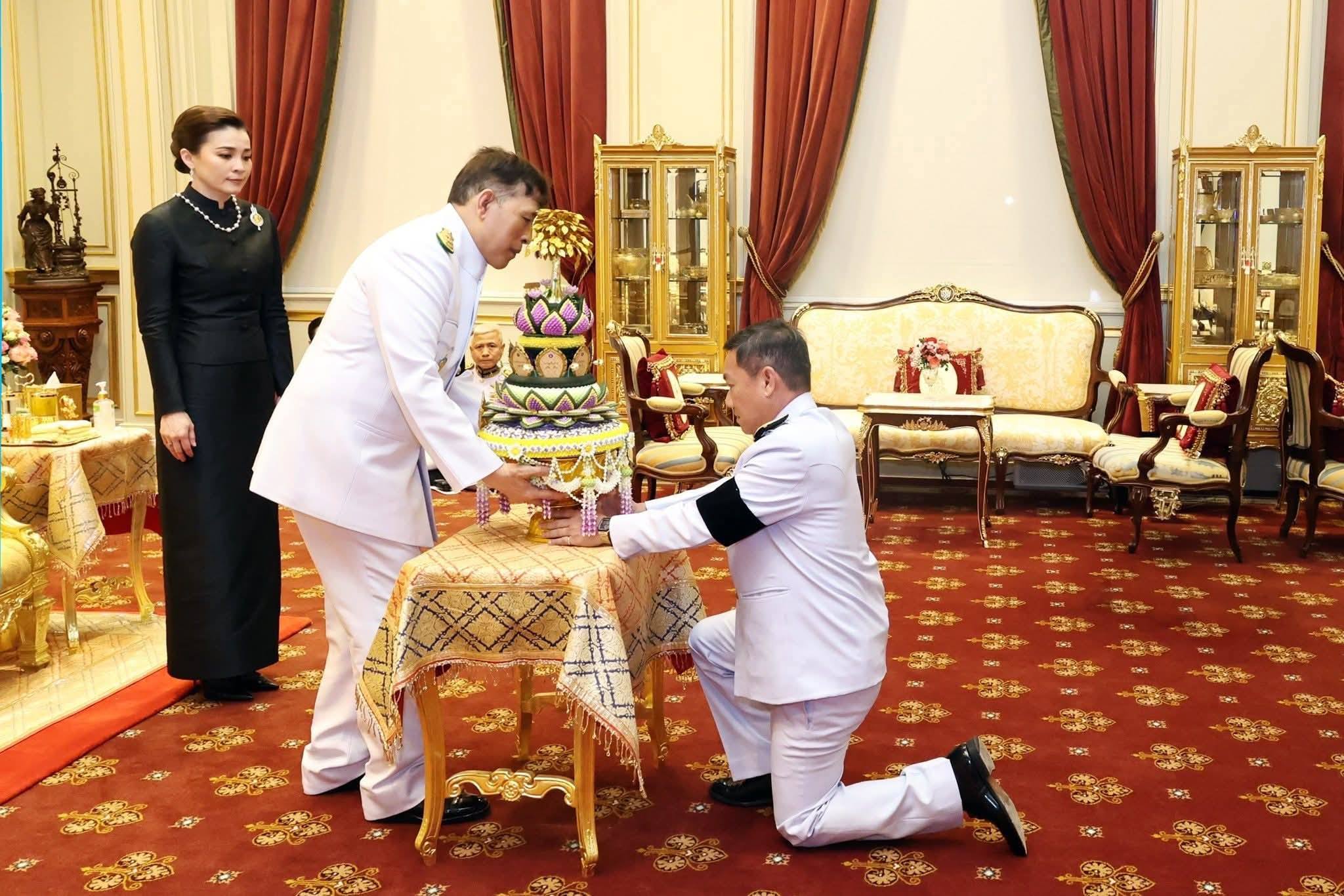
วันที่ 31 พฤษภาคม พุทธศักราช 2569 ในห้วงสัปดาห์แห่งวันวิสาขบูชา วันสำคัญสากลของโลกที่พุทธบริษัททั่วทุกสารทิศต่างน้อมรำลึกถึงพระบริสุทธิคุณ พระปัญญาคุณ และพระมหากรุณาธิคุณขององค์สมเด็จพระสัมมาสัมพุทธเจ้า แผ่นดินไทยระยิบระยับไปด้วยแสงแห่งประทีปโคมไฟและกลิ่นอายแห่งมหากุศล ทว่าในมิติของการสืบสานพระพุทธศาสนาร่วมกับสถาบันหลักของชาตินั้น มีปรากฏการณ์อันเป็นศุภนิมิตมงคลยิ่งเกิดขึ้นในสังฆมณฑลและภูมิภาคต่าง ๆ ทั่วประเทศ ซึ่งนับเป็นเรื่องที่ชวนให้คนข่าวแวดวงพระพุทธศาสนาอย่างเราต้องพินิจพิเคราะห์ถึงคุณค่าอันลึกซึ้งที่ซ่อนอยู่เบื้องหลัง
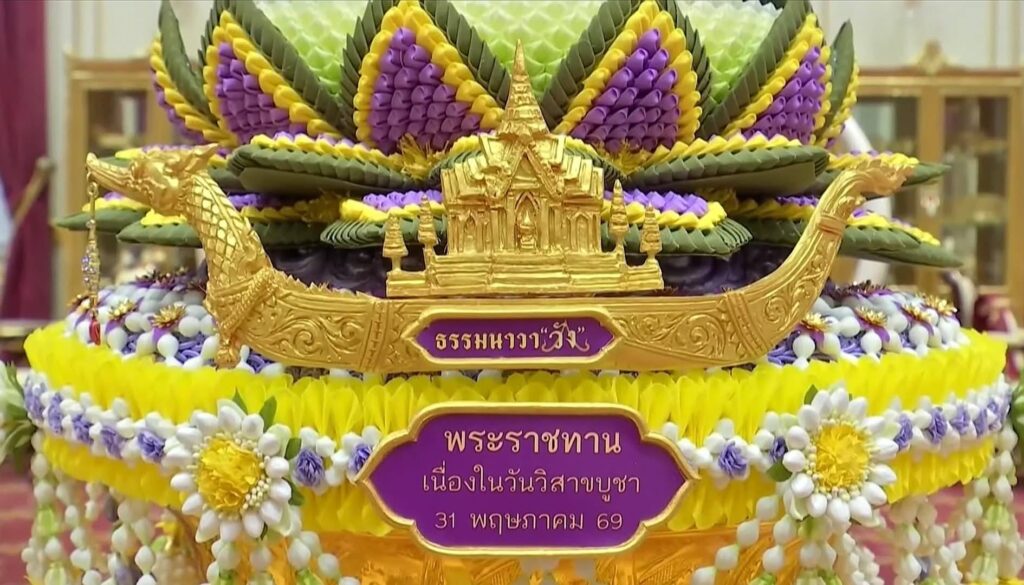
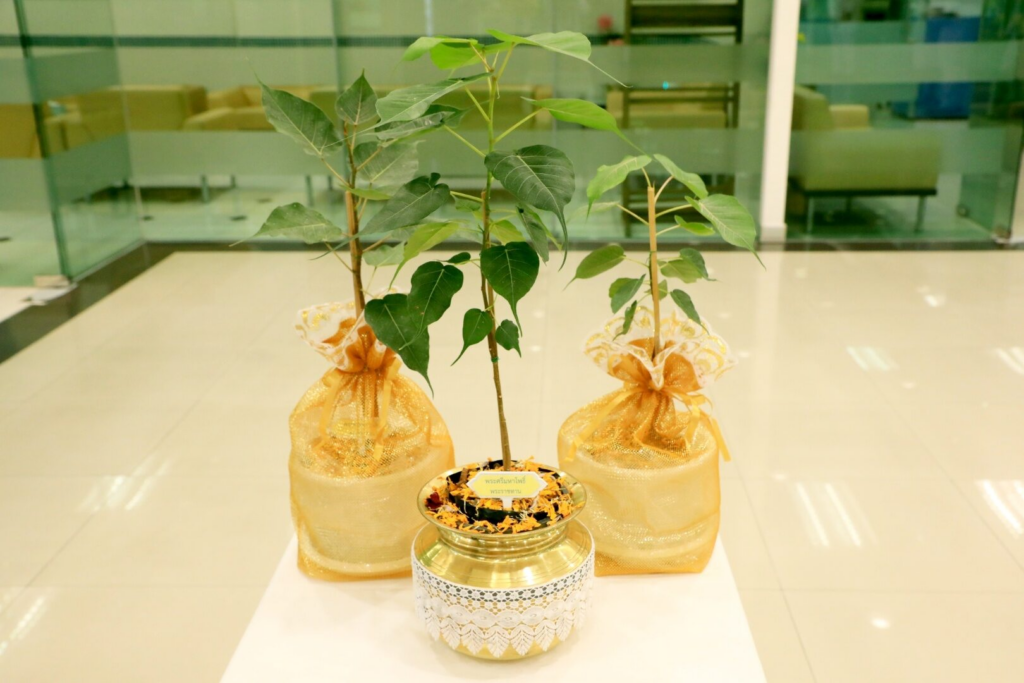
นับเป็นพระมหากรุณาธิคุณอย่างหาที่สุดมิได้ เมื่อกระทรวงมหาดไทยภายใต้การนำของ นายอรรษิษฐ์ สัมพันธรัตน์ ปลัดกระทรวงมหาดไทย ได้สนองงานข้าละอองธุลีพระบาท ในการที่พระบาทสมเด็จพระเจ้าอยู่หัว ทรงพระกรุณาโปรดเกล้าโปรดกระหม่อมพระราชทาน “พระศรีมหาโพธิทศมราชบพิตร” นำไปประดิษฐานปลูก ณ ผืนแผ่นดินทั้ง 76 จังหวัด ตั้งแต่ห้วงอุดมมงคลสมัยพระราชพิธีสมมงคลพระชนมายุเท่าพระบาทสมเด็จพระพุทธยอดฟ้าจุฬาโลกมหาราช พุทธศักราช 2568 และในวันวิสาขบูชาปีนี้ ศรัทธาแห่งการบูชายิ่งทวีความงดงามขึ้น เมื่อมีการพระราชทาน “พุ่มดอกบัวประดิษฐ์” ให้ผู้ว่าราชการจังหวัดในฐานะพ่อเมือง นำพุทธบริษัทและข้าราชการทุกภาคส่วนร่วมกันอัญเชิญไปถวายสักการะ ณ มณฑลพิธีของแต่ละจังหวัด
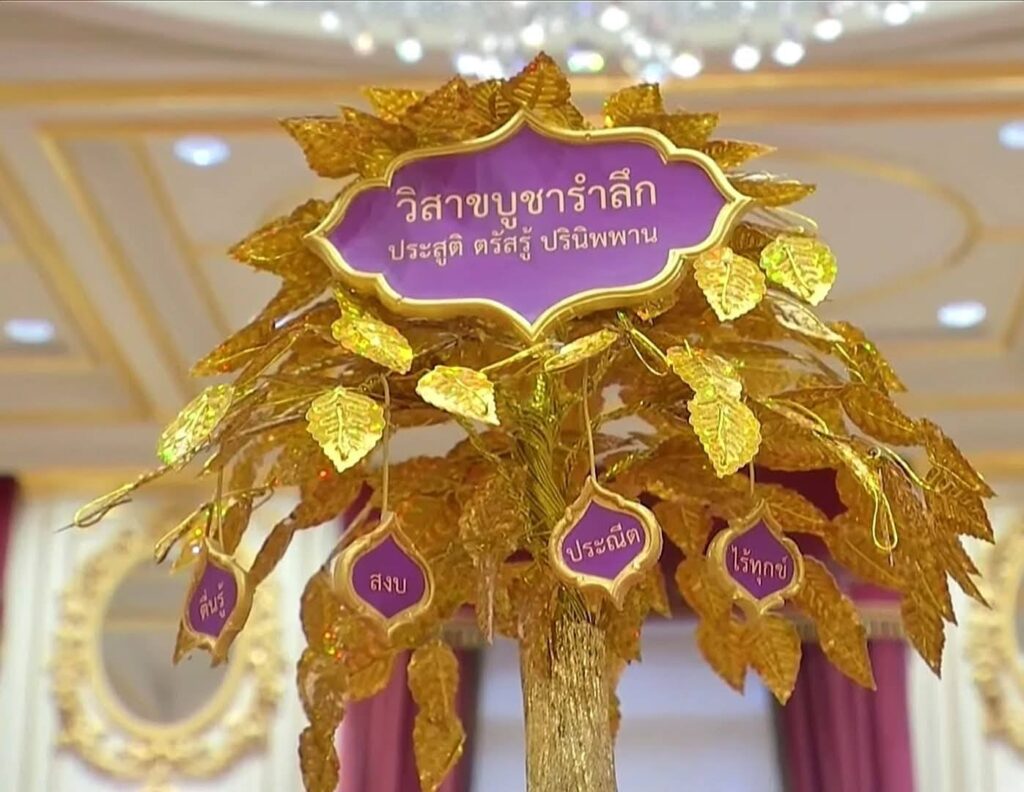
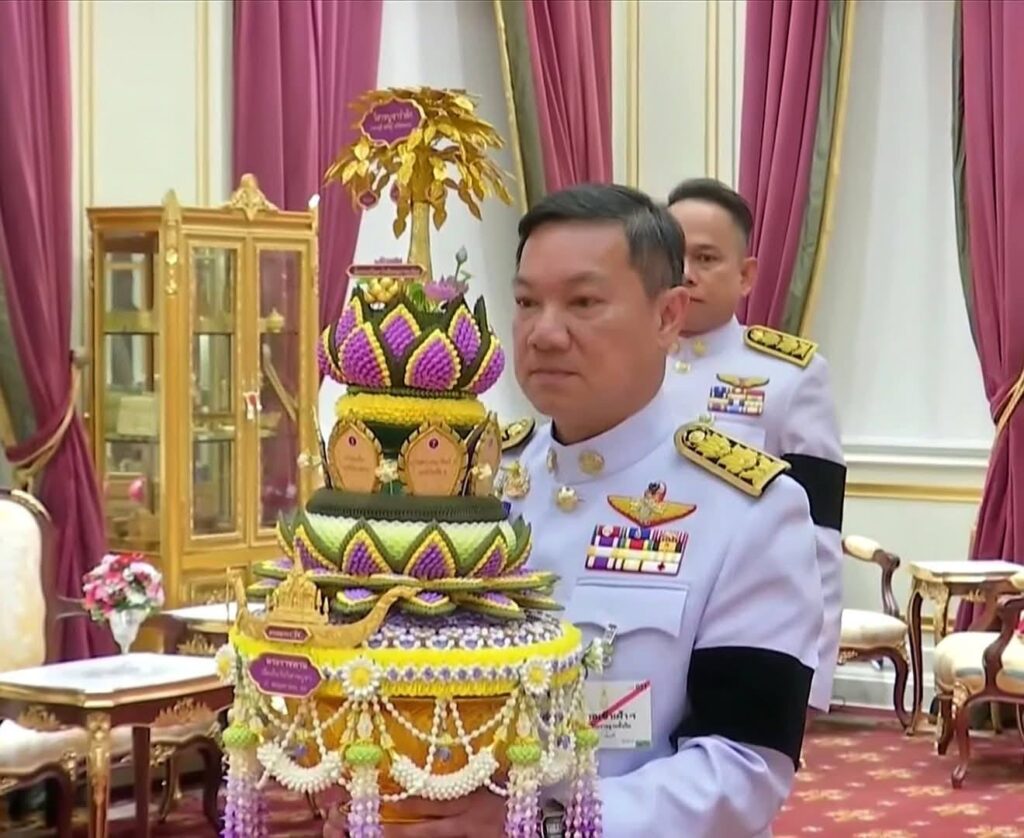
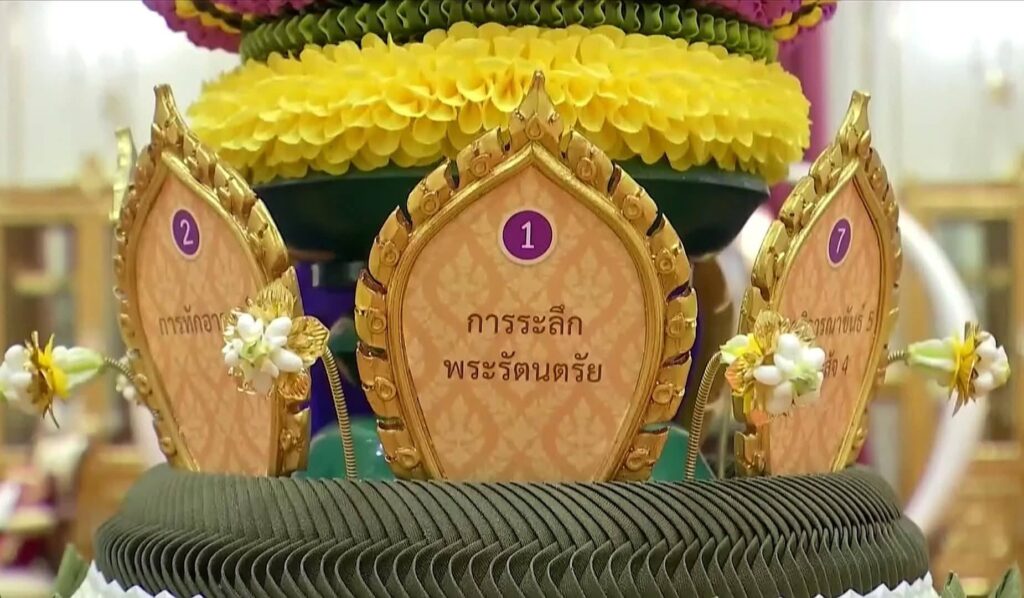
หากเราพิจารณาผ่านแว่นตาของนักวิเคราะห์และการครองตนตามหลักธรรมวินัย การอัญเชิญพุ่มดอกบัวไปสักการะต้นพระศรีมหาโพธิ์ครั้งนี้ ไม่ใช่เพียงแค่พิธีกรรมทางราชการตามทำเนียบปฏิบัติ แต่คือสัญลักษณ์แห่งการเกื้อกูลกันในระบบ “บวร” (บ้าน/ราชการ วัด โรงเรียน) ที่แนบแน่น เป็นประจักษ์พยานว่าสถาบันพระมหากษัตริย์ทรงดำรงพระองค์เป็น “อัครศาสนูปถัมภก” ผู้ค้ำจุนสังฆมณฑลให้ร่มเย็นเป็นสุขมาทุกยุคทุกสมัย
“ต้นโพธิ์” ในทางพระพุทธศาสนาจัดเป็น อุเทสิกเจดีย์ หรือสิ่งเตือนใจให้ระลึกถึงพระพุทธองค์ โดยเฉพาะการ “ตรัสรู้” พระอนุตตรสัมมาสัมโพธิญาณ การที่พ่อเมืองทั่วยลประเทศนำชาวบ้านน้อมนำดอกบัวเข้าสู่มณฑลพิธีเพื่อสักการะหน่อเนื้อพุทธางกูรนี้ จึงเปรียบเสมือนการนำหัวใจของประชาชนเข้ามาร่มเย็นอยู่ใต้ร่มเงาแห่งปัญญา ดอกบัวประดิษฐ์ที่ไม่มีวันเหี่ยวเฉา แฝงนัยถึง “ศรัทธาอันมั่นคงอันไม่คลอนแคลน” ของพุทธบริษัทไทยที่มีต่อพระรัตนตรัย
In ในฐานะปากเสียงและกระจกเงาของวงการสงฆ์ ผมอยากให้ธรรมเนียมอันงดงามนี้เป็นดั่ง “เครื่องดึงสติ” แก่สังคมไทย ในยุคที่โลกหมุนไวและเสนาสนะตามวัดวาอารามต้องเผชิญกับกระแสโลกีย์ถาโถม การที่ฝ่ายบ้านเมืองและประชาชนหันมาร่วมใจกันทำพิธีสักการะในเวลาอุดมมงคล 20.39 น. เป็นภาพที่สะท้อนว่า วิถีชาวบ้านกับวัดไม่ได้แยกขาดจากกัน วัดคือศูนย์รวมจิตใจ และต้นไม้แห่งการตื่นรู้นี้จะเจริญงอกงามได้ ก็ด้วยหยาดน้ำใจและศรัทธาปฏิบัติของพวกเราทุกคน
บทสรุปของบทบรรณาธิการชิ้นนี้ จึงอยู่ที่การแปรเปลี่ยนจาก “อามิสบูชา” (การบูชาด้วยสิ่งของเช่นพุ่มดอกบัว) ไปสู่ “ปฏิบัติบูชา” (การบูชาด้วยการปฏิบัติธรรม) สำนักข่าววงการสงฆ์ไทยขอเชิญชวนญาติโยมพุทธบริษัททุกท่าน เมื่อท่านได้ไปร่วมพิธีอัญเชิญพุ่มดอกบัวสักการะต้นพระศรีมหาโพธิทศมราชบพิตร ณ จังหวัดของท่านแล้ว ขอให้น้อมนำหัวใจอันบริสุทธิ์ดั่งดอกบัวนั้นกลับมาขัดเกลาจิตใจตนเอง รักษาศีล เจริญภาวนา เพื่อให้ร่มเงาแห่งพระศรีมหาโพธิ์นี้ ไม่เพียงแต่ร่มเย็นในระดับจังหวัดหรือประเทศชาติเท่านั้น แต่ขยายความร่มเย็นเป็นสุขสว่างไสวเข้าไปถึงในดวงใจของคนไทยทุกคนอย่างแท้จริง.
The Shade of Phra Sri Maha Bodhi: The Faith of Royal Consecration and Awakening on Visakha Bucha Day
Dated: May 31, Buddhist Era 2569 (2026)
During this week of Visakha Bucha Day—a momentous international day of the world wherein Buddhist laypeople across the globe unite to recall the immaculate purity, supreme wisdom, and boundless compassion of the Lord Buddha—the land of Thailand is brilliantly illuminated by the light of sacred lanterns and enveloped in an atmosphere of profound merit-making. However, within the dimension of sustaining the Buddhist faith alongside the nation’s core institutions, a highly auspicious phenomenon has manifested across the monastic community and various regions throughout the country. As journalists immersed in monastic affairs, this calls upon us to contemplate and analyze the profound values concealed beneath this event.
It is an act of boundless royal benevolence that the Ministry of Interior, under the leadership of Mr. Ahsit Sumpuntharat, Permanent Secretary for the Interior, has dutifully fulfilled the royal command of His Majesty the King. His Majesty graciously granted “Phra Sri Maha Bodhi Thasama Ratchabophit” (sacred Bodhi saplings) to be planted across all 76 provinces. This began during the highly auspicious occasion of the Royal Ceremony Commemorating His Majesty’s Age Equaling that of King Buddha Yodfa Chulaloke the Great, the founder of the Chakri Dynasty, in the Buddhist Era 2568 (2025). On this year’s Visakha Bucha Day, the devotion of worship has been beautifully elevated through the royal presentation of “Artificial Lotus Bush Offerings,” which the provincial governors, as the leaders of their respective provinces, led Buddhist devotees and civil servants from all sectors to ritually escort and present at the ceremonial grounds of each province.
If we examine this through an analytical lens and the lens of monastic conduct according to the Dhamma-Vinaya (the Dhamma and Monastic Discipline), the act of escorting these lotus offerings to worship the Phra Sri Maha Bodhi tree is far more than a mere bureaucratic ritual or standard administrative protocol. Rather, it stands as a profound symbol of mutual support within the framework of “Bawon” (Ban/Ratchakan, Wat, Rongrian—the Home/Government, the Temple, and the School). It serves as living testament to how the Monarchy continuously fulfills its role as the “Upholder of Religions,” sheltering and sustaining the monastic community in peace and tranquility throughout successive eras.
In Buddhism, the “Bodhi Tree” is classified as an Utesika Chedi—a sacred object reminding the faithful of the Lord Buddha, particularly His “Enlightenment” into the Unsurpassed Supreme Awakening. The sight of provincial governors across the nation leading local citizens to bring lotus offerings into the ceremonial grounds to worship this offshoot of the Buddha’s tree of awakening is akin to bringing the hearts of the populace under the cooling shade of ultimate wisdom. The artificial lotus bushes, which never wither or decay, symbolize the “steadfast and unshakeable faith” that Thai Buddhists harbor toward the Triple Gem.
As the voice and mirror of the monastic community, I desire for this exquisite tradition to serve as a “mindful awakening” for Thai society. In an era where the secular world spins rapidly and the monastic residences (Senasana) within various temples must constantly withstand the crashing tides of materialism, the fact that the government sectors and the general public have united to perform this sacred worship at the auspicious hour of 8:39 p.m. beautifully reflects that the way of life of the local villagers and the temple remain inseparable. The temple remains the center of the soul, and this tree of spiritual awakening can only grow and flourish through the devotion and practical righteousness of us all.
The ultimate conclusion of this editorial therefore lies in the transformation from Amisa-puja (worship through material offerings, such as these lotus bushes) into Patipatti-puja (worship through spiritual practice). The Thai Monastic Affairs News Agency cordially invites all Buddhist devotees: once you have participated in the ceremony to escort the artificial lotus offerings to worship the Phra Sri Maha Bodhi Thasama Ratchabophit in your respective provinces, let us bring that pure, lotus-like heart back to cultivate and refine our own inner selves. Let us observe the precepts and practice meditation, so that the sacred shade of this Phra Sri Maha Bodhi tree does not merely bring coolness to the provincial or national level, but truly expands its peaceful, radiant tranquility deep into the hearts of every single Thai citizen.