
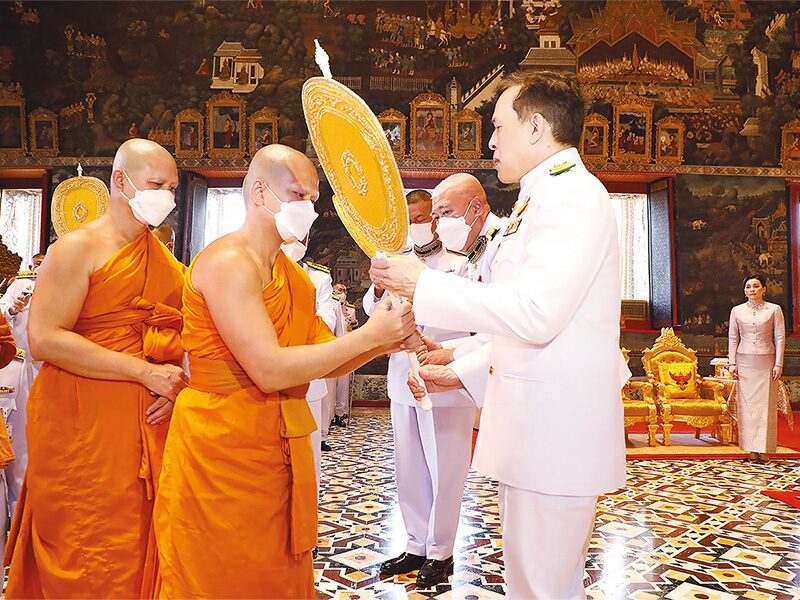
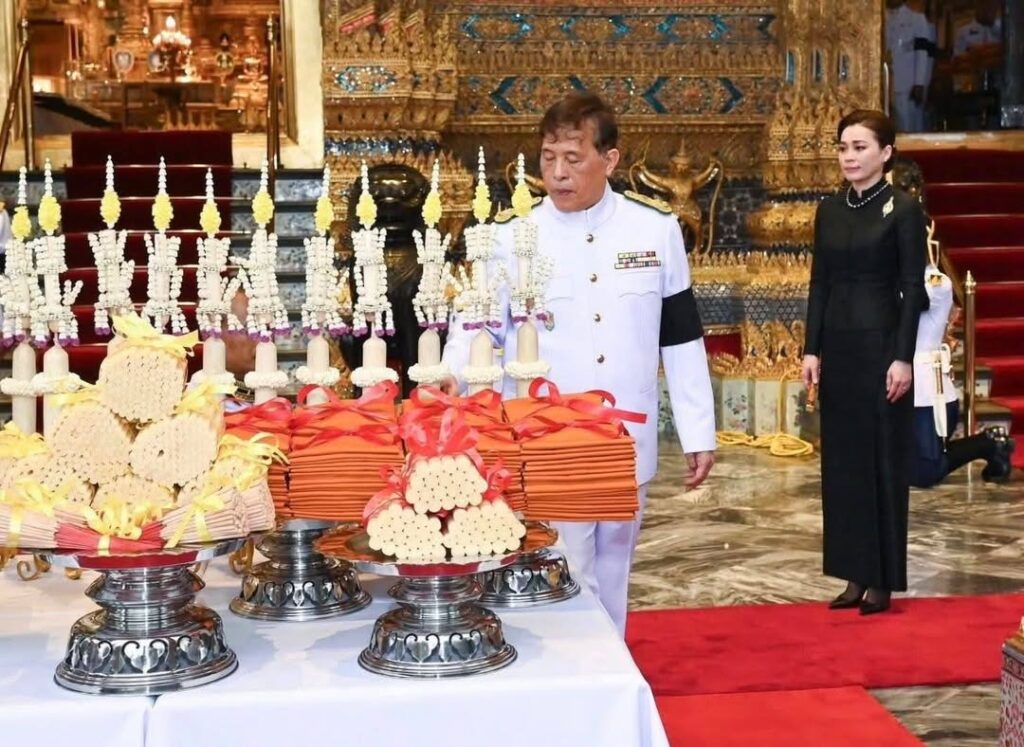
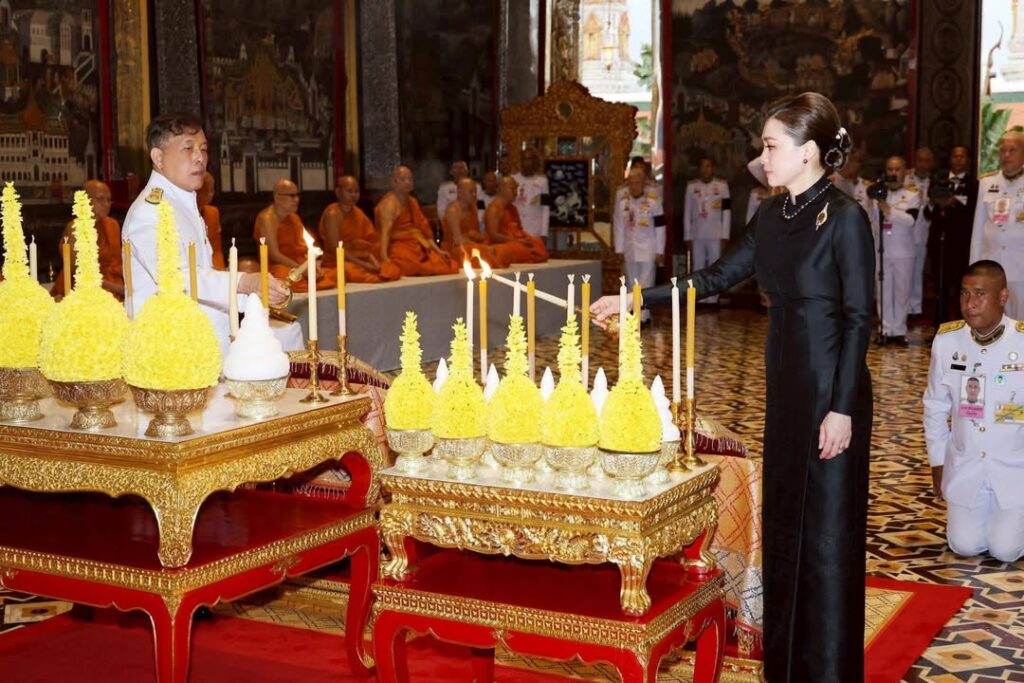
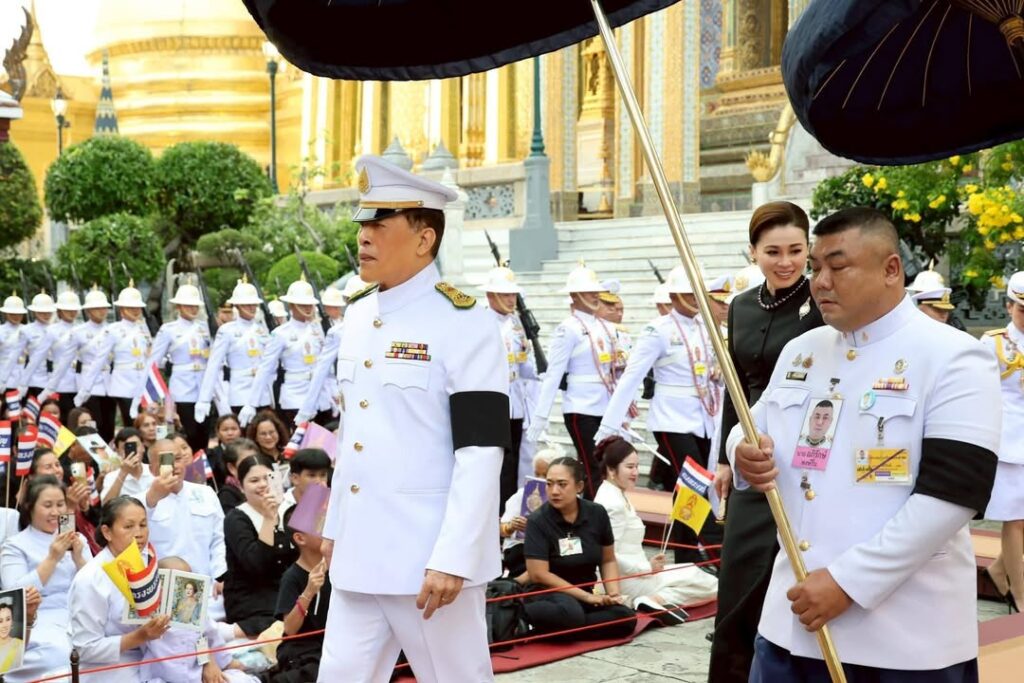
ในวิถีไทยที่แวดล้อมด้วยพระพุทธศาสนา ภาพของพระภิกษุและสามเณรผู้ครองตนในเพศสมณะอย่างเรียบร้อย ละทิ้งความสุขทางโลกเพื่อมุ่งสู่การศึกษาพระธรรมวินัย ถือเป็นภาพที่สร้างความศรัทธาให้แก่พุทธบริษัทมาทุกยุคทุกสมัย โดยเฉพาะอย่างยิ่งเมื่อฮีโร่ผ้าเหลืองเหล่านั้นสามารถพากเพียรเรียนรู้จนสำเร็จการศึกษาขั้นสูงสุดของคณะสงฆ์ไทย นั่นคือ “เปรียญธรรม 9 ประโยค” หรือที่วงการสงฆ์เรียกขานกันด้วยความเคารพว่า “มหาเปรียญ”
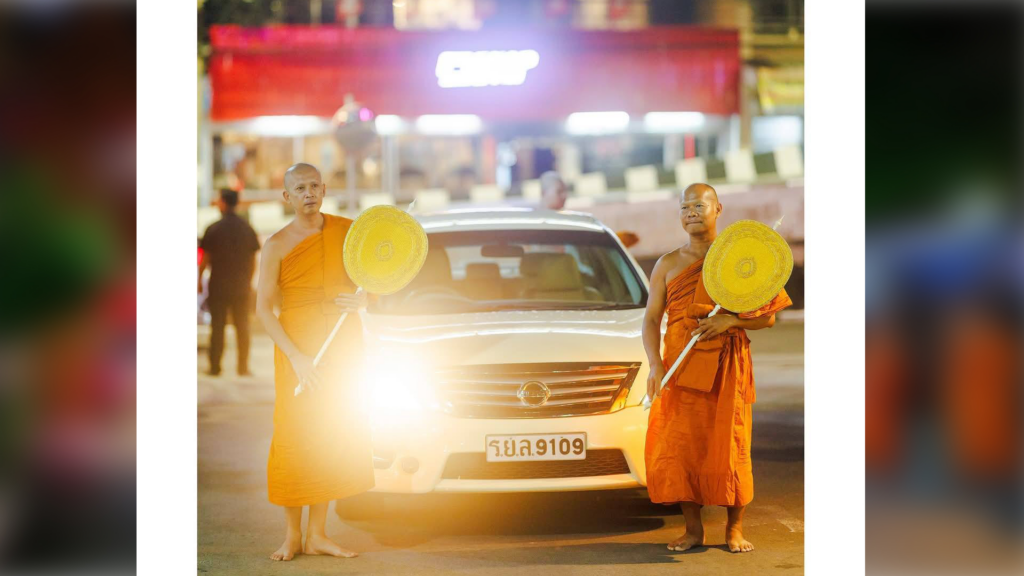
หากแต่ในความสำเร็จนั้น ไม่เพียงแต่นำความปีติมาสู่บุพการีและอารามต้นสังกัดเท่านั้น แต่ในระดับโครงสร้างความสัมพันธ์ระหว่าง “สถาบันพระมหากษัตริย์” กับ “สังฆมณฑล” ยังมีกุศโลบายและธรรมเนียมอันงดงามที่สะท้อนภาพแห่ง “อัครศาสนูปถัมภก” ได้อย่างลึกซึ้ง นั่นคือ “ธรรมเนียมการจัดรถยนต์หลวงส่งพระภิกษุ-สามเณรเปรียญธรรม 9 ประโยค กลับสู่พระอาราม” หากวิเคราะห์ถึงรากเหง้าของราชประเพณีนี้ เราจะพบว่านี่ไม่ใช่เพียงการให้เกียรติในทางโลก แต่เป็นกุศโลบายอันแยบคายในการยกย่อง “คุณธรรมและปัญญา” ในทางพระพุทธศาสนา ธรรมเนียมนี้มีจุดเริ่มต้นที่สะท้อนถึงพระมหากรุณาธิคุณอย่างหาที่สุดมิได้ โดยปรากฏหลักฐานชัดเจนสองวาระสำคัญ
วาระแรกเริ่มขึ้นในสมัยรัชสมัยพระบาทสมเด็จพระจุลจอมเกล้าเจ้าอยู่หัว รัชกาลที่ 5 เมื่อครั้งที่ สามเณรปลด กิตฺติโสภโณ (ซึ่งในกาลต่อมาได้เจริญในสมณศักดิ์และดำรงตำแหน่งอันสูงสุดเป็น สมเด็จพระอริยวงศาคตญาณ สมเด็จพระสังฆราช วัดเบญจมบพิตรดุสิตวนาราม) ได้พากเพียรศึกษาจนสอบไล่ได้เปรียญธรรม 9 ประโยค ซึ่งนับเป็นสามเณรรูปแรกในรัชกาลที่สามารถไต่เต้าสู่จุดสูงสุดนี้ได้ ความทราบถึงฝ่าละอองธุลีพระบาท พระองค์ทรงพระปีติโสมนัสเป็นล้นพ้น จึงทรงพระกรุณาโปรดเกล้าฯ ให้จัด “รถหลวง” ไปส่งสามเณรมหาเปรียญรูปนั้นกลับสู่เสนาสนะอันเป็นที่พำนัก ถือเป็นการปูทางแห่งเกียรติยศสืบมา
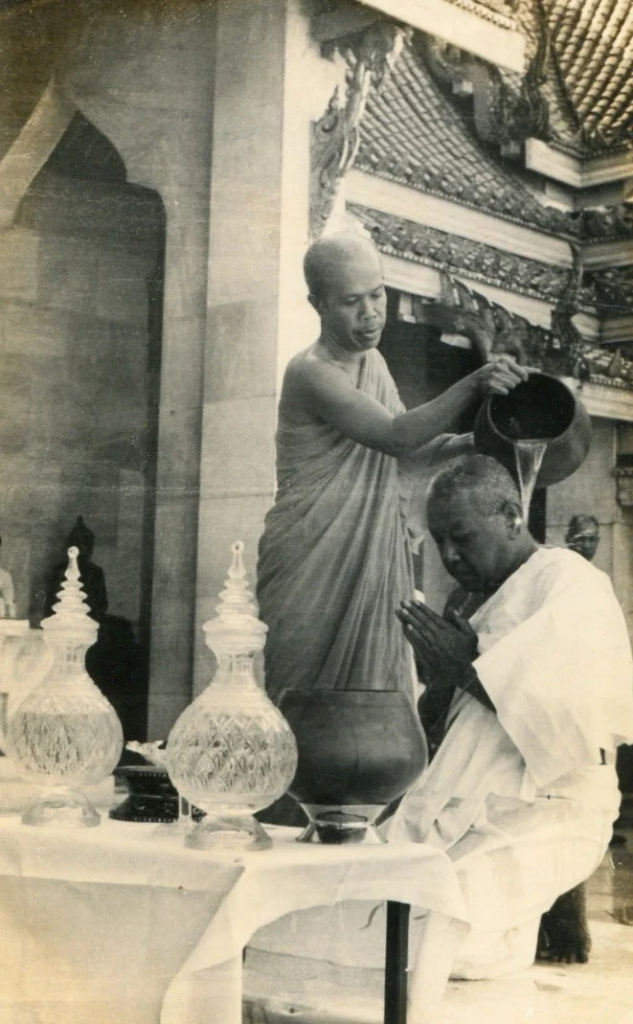
ขณะเดียวกัน ในธรรมเนียมการจัดรถยนต์หลวงส่งพระภิกษุนั้น ก็นิยมปฏิบัติอย่างเข้มข้นนับแต่สมัยของ สมเด็จพระอริยวงศาคตญาณ สมเด็จพระสังฆราช (อยู่ ญาโณทโย) แห่งวัดสระเกศราชวรมหาวิหาร เมื่อครั้งที่พระองค์ทรงสอบได้เปรียญธรรม 9 ประโยค เป็นพระภิกษุรูปแรกในรัชกาลที่ 5 และได้รับพระมหากรุณาธิคุณให้นำรถยนต์หลวงหลวงมาส่งจนถึงพระอารามเช่นเดียวกัน การยกย่องพจนารถแห่งปัญญาเช่นนี้ จึงกลายเป็นธรรมเนียมปฏิบัติที่งดงามและสืบทอดมาจนถึงวิสาขบูชาในปัจจุบัน
หากเราพินิจด้วยใจที่เป็นธรรมและมองลึกลงไปใน “พระธรรมวินัย” พระพุทธองค์ทรงยกย่อง “ปัญญา” ว่าเป็นแสงสว่างในโลก (ปญฺญา โลกสฺมิ ปชฺโชโต) การที่องค์อัครศาสนูปถัมภกทรงชุบเลี้ยงและให้เกียรติแก่พระปริยัติธรรมอย่างสูงยิ่ง นำรถยนต์พระราชทานมาส่งถึงหน้าพระอาราม สะท้อนถึงแนวคิดเรื่อง “บวร” (บ้าน/ราชการ วัด โรงเรียน) ที่เกื้อกูลกันอย่างเป็นรูปธรรม วัดผลิตบุคลากรที่มีความรู้คู่คุณธรรม ราชการและสถาบันหลักของชาติให้การเกื้อหนุนและยกย่องเชิดชู
นอกจากนี้ การส่งเสริมพระพุทธศาสนาในระดับเยาวชนก็ไม่ได้ถูกละเลย ดังที่ในรัชสมัยพระบาทสมเด็จพระปกเกล้าเจ้าอยู่หัว รัชกาลที่ 7 ได้ทรงขยายพรมแดนแห่งปัญญา โดยโปรดเกล้าฯ ให้ราชบัณฑิตยสภาจัดประกวดแต่งหนังสือสอนพระพุทธศาสนาแก่เด็ก ซึ่งเรื่องที่ได้รับรางวัลที่ 1 จะได้รับการจัดพิมพ์พระราชทานในวันวิสาขบูชา นี่คือการวางรากฐาน “ธรรมะสู่ดวงใจของเยาวชน” เพื่อให้ศีลธรรมทำหน้าที่ปูพื้นฐานจิตใจคนในชาติควบคู่ไปกับการที่พระภิกษุสามเณรศึกษาเรียนรู้พระปริยัติธรรมในพระอุโบสถวัดพระศรีรัตนศาสดาราม
ในฐานะคนข่าวในแวดวงสังฆมณฑล ผมมองว่าธรรมเนียม “รถยนต์หลวงส่งมหาเปรียญ” และ “การพระราชทานพัดยศ” ไม่ใช่เรื่องของลาภยศสรรเสริญที่พระสงฆ์ควรียึดติด เพราะแท้จริงแล้วมหาเปรียญทุกรูปย่อมตระหนักดีในข้อวัตรปฏิบัติและการปล่อยวาง แต่สิ่งนี้คือ “สัญลักษณ์แห่งความเพียร” และเป็นแรงบันดาลใจชั้นยอดที่จะกระตุ้นให้พระภิกษุสามเณรรุ่นเยาว์ในปัจจุบัน มีมานะพยายามในการสืบทอดอายุพระพุทธศาสนาผ่านการศึกษา
ในยุคปัจจุบันที่กระแสโลกีย์ถาโถม การเห็นรถยนต์หลวงแล่นเข้าสู่ประตูวัด พร้อมรอยยิ้มและคราบน้ำตาแห่งความปลาบปลื้มของพ่อแม่ญาติโยมและชาวบ้านในชุมชนที่มารอรับพระมหาเปรียญใหม่ คือภาพสะท้อนว่า “วัดยังคงเป็นศูนย์รวมจิตใจ” และ “ความรู้ในทางธรรมยังคงเป็นสิ่งที่มีคุณค่าสูงสุดในสังคมไทย”
ขออนุโมทนาและยกย่องในความวิริยอุตสาหะของพระภิกษุสามเณรผู้สอบไล่ได้เปรียญธรรมทุกรูป และขอให้ภาพงดงามของรถยนต์หลวงที่ส่งตรงถึงอารามนี้ เป็นเครื่องเตือนใจให้พุทธบริษัททุกภาคส่วน ร่วมกันอุปถัมภ์และทำนุบำรุงการศึกษาปริยัติธรรมของคณะสงฆ์ไทย ให้รุ่งเรืองสถาพรสืบไปชั่วกาลนาน.
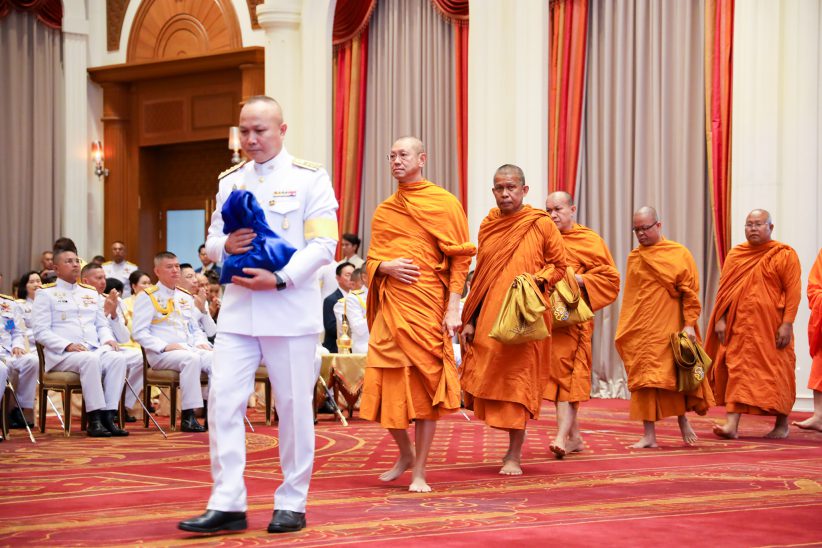
The Honor of the Saffron Robe: ‘The Royal Motorcars,’ the Bond of ‘Bawon,’ and the Sublime Value of Pariyatti Dhamma
Within the Thai way of life, which is thoroughly enveloped by Buddhism, the sight of Buddhist monks and novices conducting themselves with utmost decorum in their monastic state—having renounced worldly pleasures to dedicate their lives to the study of the Dhamma-Vinaya (the Dhamma and Monastic Discipline)—has inspired profound faith in the Buddhist laity across generations. This is especially true when these “heroes of the yellow robes” perseveringly study until they attain the highest level of ecclesiastical education in Thailand, known as “Pariyan Dhamma 9 Prayoka” (the 9th grade of Dhamma credentials), or as reverently referred to in monastic circles as “Maha Pariyan” (the Grand Scholar).
However, such a fulfillment brings immense joy not only to the monastics’ parents and their respective monasteries but, from the structural standpoint of the relationship between “The Monarchy” and “The Monastic Community,” it also reflects an exquisite royal tradition and artifice that profoundly epitomizes the role of the “Upholder of religions.” This tradition is “The Royal Custom of Providing Royal Motorcars to Convey Monks and Novices of the 9th Grade of Pariyan Dhamma Back to Their Monasteries.” When analyzing the roots of this royal tradition, we find that this is not merely a gesture of worldly honor, but a subtle and ingenious strategy to elevate “virtue and wisdom” in Buddhism. This tradition has two distinct and highly significant origins that manifest the boundless royal benevolence.
The first origin traces back to the reign of King Chulalongkorn, Rama V, when Novice Plod Kittisobhano (who was later elevated in ecclesiastical title and ultimately assumed the highest position as His Holiness the Supreme Patriarch of Wat Benchamabophit Dusitwanaram) persevered in his studies until he passed the examination for the 9th grade of Pariyan Dhamma. He became the first novice in that reign to achieve this pinnacle. Upon learning of this, His Majesty was filled with immense joy and spiritual delight. Consequently, he graciously commanded that a “Royal Car” be arranged to convey the young Grand Scholar novice back to his monastic residence, thus paving a path of honor that has endured ever since.
Concurrently, the practice of providing royal motorcars specifically to convey ordained monks was firmly established and practiced with equal fervor during the time of His Holiness the Supreme Patriarch (Yu Ñāṇodayo) of Wat Saket Ratchaworamahawihan. This occurred when His Holiness passed the examination for the 9th grade of Pariyan Dhamma, becoming the first fully ordained monk to do so in the reign of Rama V, and similarly received the royal grace of being escorted back to his monastery via a royal motorcar. This veneration of the words of wisdom has thus become a magnificent custom, handed down to the present day during the Visakha Bucha season.
If we contemplate this with an impartial mind and look deeper into the “Dhamma-Vinaya,” the Buddha himself extolled “wisdom” as the light of the world (Paññā Lokasmi Pajjoto). The fact that the Sovereign Upholder of Religions provides such high patronage and honor to the study of the scriptural doctrine (Pariyatti Dhamma), by dispatching royal motorcars directly to the gates of the monasteries, perfectly illustrates the concept of “Bawon” (Ban/Ratchakan, Wat, Rongrian/The Home/Government, the Temple, and the School/Officialdom), wherein each sector materially supports one another. The temple nurtures personnel equipped with both knowledge and virtue, while the government and the core institutions of the nation provide support and high exaltation.
Furthermore, the promotion of Buddhism at the youth level was never overlooked. During the reign of King Prajadhipok, Rama VII, the boundaries of wisdom were expanded. His Majesty commanded the Royal Society to organize a writing competition for Buddhist textbooks aimed at children. The textbook that won the first prize would be printed under royal patronage for distribution on Visakha Bucha Day—a royal tradition that continues into the modern era. This signifies the laying of a foundation to “bring Dhamma into the hearts of the youth,” allowing morality to shape the spiritual fabric of the nation’s citizens, in tandem with the monks and novices studying the scriptural doctrine within the Uposatha hall of Wat Phra Si Rattana Satsadaram (the Temple of the Emerald Buddha).
As a journalist in monastic affairs, I view the custom of “the royal motorcar escorting Grand Scholars” and “the royal presentation of ecclesiastical fans (Phat Yot)” not as matters of worldly gain or praise for monastics to cling to. In truth, every Grand Scholar is fully aware of their monastic duties, code of conduct, and the principle of detachment. Rather, these acts serve as “symbols of perseverance” and excellent sources of inspiration that stimulate the younger generations of monks and novices today to diligently sustain the longevity of Buddhism through education.
In the present era, where secular tides violently crash against society, seeing a royal motorcar drive through the monastery gates—accompanied by the smiles and tears of overwhelming joy from parents, relatives, and local villagers waiting to welcome the new Grand Scholar—is a vivid reflection that “the temple remains the spiritual center” and that “knowledge of the Dhamma remains the highest value in Thai society.”
I highly commend and rejoice in the spiritual fortitude and diligence of every monk and novice who has passed the Pariyan Dhamma examinations. May this beautiful sight of the royal motorcars arriving at the monasteries serve as a reminder to all sectors of the Buddhist community to unitedly support and nurture the ecclesiastical education of the Thai monastic community, ensuring its eternal prosperity and stability.